
Hazmat Trucking Insurance

8:30am - 5:00pm Mon-Fri
We'll Reply in 15min*
Hauling hazardous materials puts you in a different insurance universe than a standard dry van operation. A single incident involving flammable liquids, corrosives, or compressed gases can combine bodily injury claims, property damage, and environmental cleanup costs that stretch into the millions. One hazmat claim can quickly combine injury, property damage, and environmental cleanup in ways that erase a year's profit. Understanding the full scope of hazmat trucking insurance, from primary liability and MCS-90 filings to pollution liability, cargo coverage, driver requirements, and costs, is the difference between running a protected operation and gambling your business on every load.
This guide breaks down each coverage layer, explains the federal mandates you can't ignore, and gives you a realistic picture of what hazmat policies cost in 2026.
Understanding Hazmat Trucking Risks and Legal Requirements
Hazardous materials carriers face a regulatory framework that's far stricter than what general freight haulers deal with. The FMCSA, the DOT's Pipeline and Hazardous Materials Safety Administration (PHMSA), and state-level agencies all impose requirements that directly affect your insurance obligations. Missing even one filing or endorsement can pull your operating authority.
Federal Motor Carrier Safety Administration (FMCSA) Mandates
The FMCSA requires every interstate hazmat carrier to maintain proof of financial responsibility before hauling a single load. This means filing Form BMC-91 (a surety bond) or Form BMC-91X (a certificate of insurance) with the agency. Your insurer must be authorized to write policies in every state where you operate, and the filing must remain active and uninterrupted. Lapses trigger automatic alerts to the FMCSA and can result in an out-of-service order within days.
Minimum Liability Limits for Hazardous Materials
While general freight carriers need $750,000 in liability coverage, hazmat haulers face much steeper minimums. Carriers transporting hazardous materials listed in 49 CFR 172.101 must carry $1,000,000 in public liability coverage, while bulk explosives, poison gases, or radioactive materials require a $5,000,000 limit under 49 CFR 387.9 (https://www.compliancefleet.com/articles/insurance-requirements-2026). Many freight brokers in 2026 won't even book a hazmat load unless you carry at least $1,000,000 in coverage, partly to address their own vicarious liability exposure.
The Role of the MCS-90 Endorsement
The MCS-90 endorsement is one of the most misunderstood documents in trucking insurance. It's not additional coverage. It's a federal guarantee that the public will be compensated for bodily injury or property damage caused by your truck, even if your policy would otherwise exclude the claim. Here's the catch: if your insurer pays out under the MCS-90 because the underlying policy excluded the loss, they have the legal right to seek full reimbursement from you. That means you could end up personally liable for the entire amount. The MCS-90 protects the public, not you.

By: Andy Roy
Owner & Agent
Essential Insurance Coverages for Hazardous Haulers
A bare-minimum liability policy won't protect a hazmat operation. You need layered coverages that address the specific risks of transporting dangerous goods, including what happens during loading, transit, and unloading.
Pollution Liability and Environmental Restoration
Standard commercial auto policies exclude pollution. That's a critical gap for any carrier hauling chemicals, fuels, or industrial waste. Carriers typically need the CA 99 48 endorsement to provide broadened coverage for pollutant discharge during transport. This endorsement covers third-party bodily injury and property damage caused by a release of pollutants from a covered auto. But it doesn't cover everything. Site remediation, groundwater testing, soil removal, and regulatory fines often require a separate environmental or pollution liability policy. One hazmat claim can quickly combine injury, property damage, and environmental cleanup in ways that erase a year's profit (https://www.logrock.com/commercial-truck-insurance/mcs-90-endorsement-for-owner-operators/).
Loading and Unloading Coverage
Many claims happen before the truck even hits the road. A hose connection fails during a fuel transfer. A valve leaks while offloading acids at a chemical plant. Your policy needs to explicitly cover loading and unloading operations, because some standard trucking policies limit or exclude coverage for incidents that occur while the vehicle is stationary and connected to a customer's facility. Ask your agent specifically about "complete operations" coverage that extends from the moment product begins flowing until the connection is broken and secured.
Hazmat Cargo Insurance
Motor truck cargo insurance for hazmat loads works differently than standard cargo coverage. Policies typically carry higher deductibles, and some exclude specific material classes entirely. If you're hauling Class 3 flammable liquids or Class 8 corrosives, make sure your cargo policy names those classifications. A $100,000 cargo policy might sound adequate until you realize a single tanker of specialty chemicals can be worth $250,000 or more. Match your cargo limits to the actual value of what you're hauling, not to some industry average.
Comparison: Standard vs. Hazmat Trucking Insurance
The differences between a standard trucking policy and one designed for hazardous materials haulers are significant across every coverage category.
Coverage Comparison Table
| Coverage Area | Standard Trucking | Hazmat Trucking |
|---|---|---|
| Primary Liability Minimum | $750,000 | $1,000,000 - $5,000,000 |
| MCS-90 Filing | Required | Required |
| Pollution Liability | Excluded | Required (CA 99 48 or standalone) |
| Cargo Coverage | General goods, lower limits | Material-specific, higher limits |
| Loading/Unloading | Often limited | Must be explicitly included |
| Driver Requirements | CDL with appropriate class | CDL + H endorsement + ELDT |
| Annual Premium Range | $8,000 - $14,000 per truck | $12,000 - $25,000+ per truck (https://cxtms.com/blog/fmcsa-2-million-insurance-mandate-carriers-shippers-2026) |
| Underwriting Scrutiny | Moderate | Intensive (safety scores, loss history) |
The premium gap reflects the exposure gap. A fender-bender with a dry van is a property damage claim. A rollover with a tanker full of anhydrous ammonia is a mass casualty event, an evacuation, and a Superfund-level cleanup rolled into one.
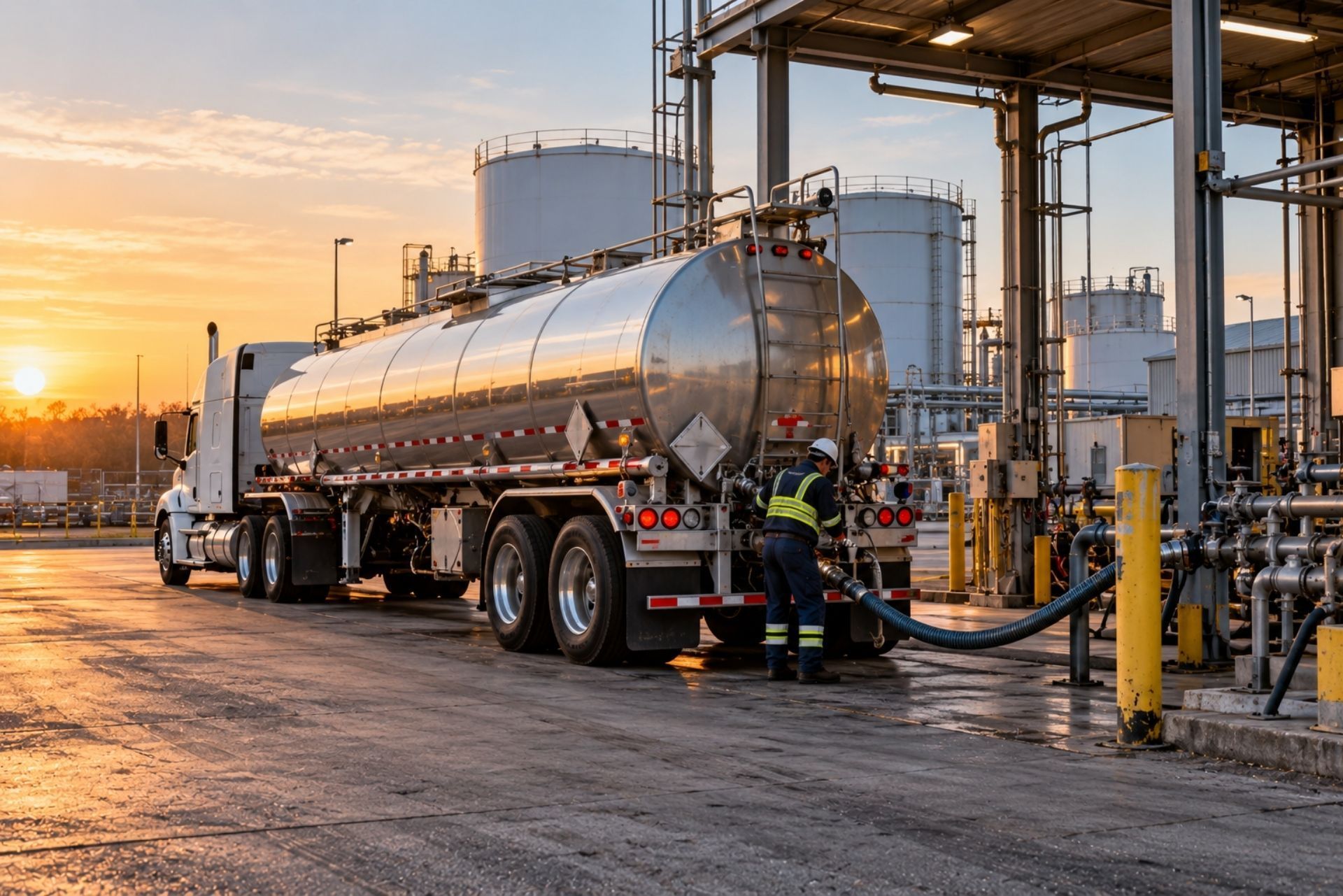
Hazmat insurance premiums vary widely, and understanding what drives your rate helps you control costs without cutting corners on coverage.
Safety Ratings and Compliance Reviews
Your CSA (Compliance, Safety, Accountability) scores are the first thing underwriters look at. High scores in the HOS Compliance, Vehicle Maintenance, or Hazardous Materials BASIC categories will either inflate your premium or disqualify you from coverage entirely. A satisfactory FMCSA compliance review helps. A conditional or unsatisfactory rating makes affordable coverage almost impossible to find.
Driver Experience and Specialized Training
Federal law mandates a minimum age of 21 for all interstate hazardous materials transportation. Beyond age, every new H endorsement applicant must complete a theory course from a provider listed on the FMCSA Training Provider Registry as part of Entry-Level Driver Training. Insurers reward fleets that go beyond the minimum. Carriers with documented annual refresher training, tanker-specific instruction, and clean driver MVRs consistently get better rates. A driver with five or more years of hazmat experience and zero incidents is worth real money to your insurance program.
Material Classification and Risk Levels
Not all hazmat is created equal. Hauling Class 9 miscellaneous hazardous materials (like lithium batteries or dry ice) carries a very different risk profile than transporting Class 1 explosives or Division 2.3 poison gases. Your premium reflects the specific DOT hazard classes you're authorized to carry. Carriers who restrict their operations to lower-risk classifications can often negotiate meaningfully lower premiums. If you're hauling a mix, expect underwriters to price your policy based on the highest-risk material in your portfolio.
Common Questions About Hazmat Insurance
FAQ: How much insurance do I need for fuel hauling?
Fuel haulers transporting petroleum products in bulk generally need a minimum of $1,000,000 in primary liability. Major fuel terminals and oil & gas operators often require carriers to have $2,000,000 to $5,000,000 in primary auto liability to grant facility access, exceeding the federal minimum (https://www.kindermorgan.com/WWWKM/media/Carrier-Access-Agreement/CAA_KMLT.pdf). You'll also need pollution liability and cargo coverage matched to the value of a full tanker load.
FAQ: Does regular commercial auto cover chemical spills?
No. Standard commercial auto policies exclude pollution events. You need either the CA 99 48 endorsement added to your auto policy or a standalone pollution liability policy. Without one, you're paying for cleanup, third-party claims, and regulatory penalties out of pocket.
FAQ: What happens if my MCS-90 isn't on file?
Your operating authority can be revoked. The FMCSA monitors filings continuously, and a lapsed MCS-90 triggers an automatic process that can result in an out-of-service order. You won't be able to legally operate until the filing is restored and accepted. Brokers and shippers also verify your filing status through SAFER, so you'll lose loads even before the formal order hits.
FAQ: Why is hazmat insurance so much more expensive?
The exposure is fundamentally different. A single hazmat incident can generate bodily injury claims, property damage, environmental cleanup costs, regulatory fines, and business interruption losses for surrounding properties all at once. Insurers price for the worst-case scenario, and with hazmat, worst-case scenarios involve evacuations, contaminated soil, and years of litigation. The premium reflects that reality.
Making the Right Choice for Your Fleet
Getting hazmat trucking insurance right isn't about finding the cheapest policy. It's about building a coverage program that matches the actual risks your operation faces every day. That means primary liability limits well above the federal minimum, pollution coverage that addresses both transit and loading operations, cargo limits tied to real load values, and drivers who meet or exceed FMCSA training requirements.
Work with an independent agent or broker who specializes in transportation risks. They'll know which markets write hazmat, which endorsements you actually need, and how to present your safety record in the best possible light. Get at least three quotes, and don't just compare premiums: compare exclusions, deductibles, and the claims-handling reputation of each carrier.
Your insurance program is the financial backbone of your hazmat operation. Build it with the same care you'd put into maintaining your equipment and training your drivers. The cost of doing it right is always less than the cost of getting it wrong.
About The Author: Andy Roy
As Owner and Agent at Pure Risk Advisors, I’ve spent over three decades helping clients find reliable, affordable coverage they can count on. Licensed in Arizona, Colorado, and Wyoming, I take pride in offering personalized service and practical solutions that fit each client’s unique needs—backed by years of experience and a genuine commitment to my community.
Your Personal Insurance Solutions in Colorado
Our team of experts is dedicated to understanding your unique needs and crafting tailored insurance solutions to safeguard your most valued assets, providing you with the confidence and peace of mind you deserve.
3R Personal Insurance Agency
Why Work With 3R Insurance
Choose 3R Insurance and unlock a world of personalized, expert-driven insurance solutions tailored to protect what matters most to you. Experience unparalleled choice, transparency, and ongoing support as our dedicated agents guide you through your insurance journey, ensuring you receive the best coverage at competitive prices.

Choice & Transparency
At 3R Insurance, our independent agents set themselves apart from traditional insurance company agents by working for you, not the insurer. As independent agents, they have the flexibility to offer a diverse range of policies tailored to your unique needs.

Your Advocate
Our independent agents are committed to providing the best coverage suited for your individual requirements. They work diligently to align your insurance needs with your budget, ensuring you receive top-quality coverage at an affordable price.

Lifetime Expert Advice
With a wealth of industry knowledge, our independent insurance agents are true experts, capable of clarifying complex policies and rate changes. Their extensive experience with multiple insurance providers makes them reliable sources of information, offering invaluable guidance and support throughout your insurance journey. Experience the 3R Insurance difference with our commitment to choice, transparency, and exceptional service.
How To File A Insurance Claim in Colorado
Report the Incident
Promptly contact 3R Insurance to report the incident that led to the need for filing a claim. Provide accurate and detailed information about the circumstances, including the date, location, and any individuals involved. This timely reporting helps ensure the claims process proceeds as smoothly and efficiently as possible.
Gather Documentation
Collect any relevant documentation to support your claim, such as photos, videos, police reports, and witness statements. Organizing this evidence will help strengthen your claim and expedite the evaluation process, allowing our dedicated claims team to assess the situation and determine the appropriate compensation.
Stay in Touch and Cooperate
Keep an open line of communication with your 3R Insurance agent during the claims process. Respond to any requests for additional information or clarification promptly, and be prepared to work closely with our team to ensure a fair and timely resolution. Our goal is to provide exceptional support and guidance throughout the entire claims experience.
Safeguarding What Matters to You with Personal Insurance

Craig C.
Personal Insurance Client
Beth is awesome and brings incredible customer service and a willingness to help with new drivers. I receive and appreciate the emails I find in my inbox about policy renewals. Beth and her team make is easy to connect with and understand my multi-coverage policy.
Rebecca V.
Personal Insurance Client
3R Insurance Agency is the best insurance agency hands down. Customer service is great. They have resolved more issues over the years than I can count. Simply amazing!
Michelle M.
Personal Insurance Client
I have been with 3R insurance for years and have always had great success. Beth Woodward has always been helpful in getting the best insurance and rates for me.