Colorado Equipment Rental and Tool Hire Insurance

8:30am - 5:00pm Mon-Fri
We'll Reply in 15min*
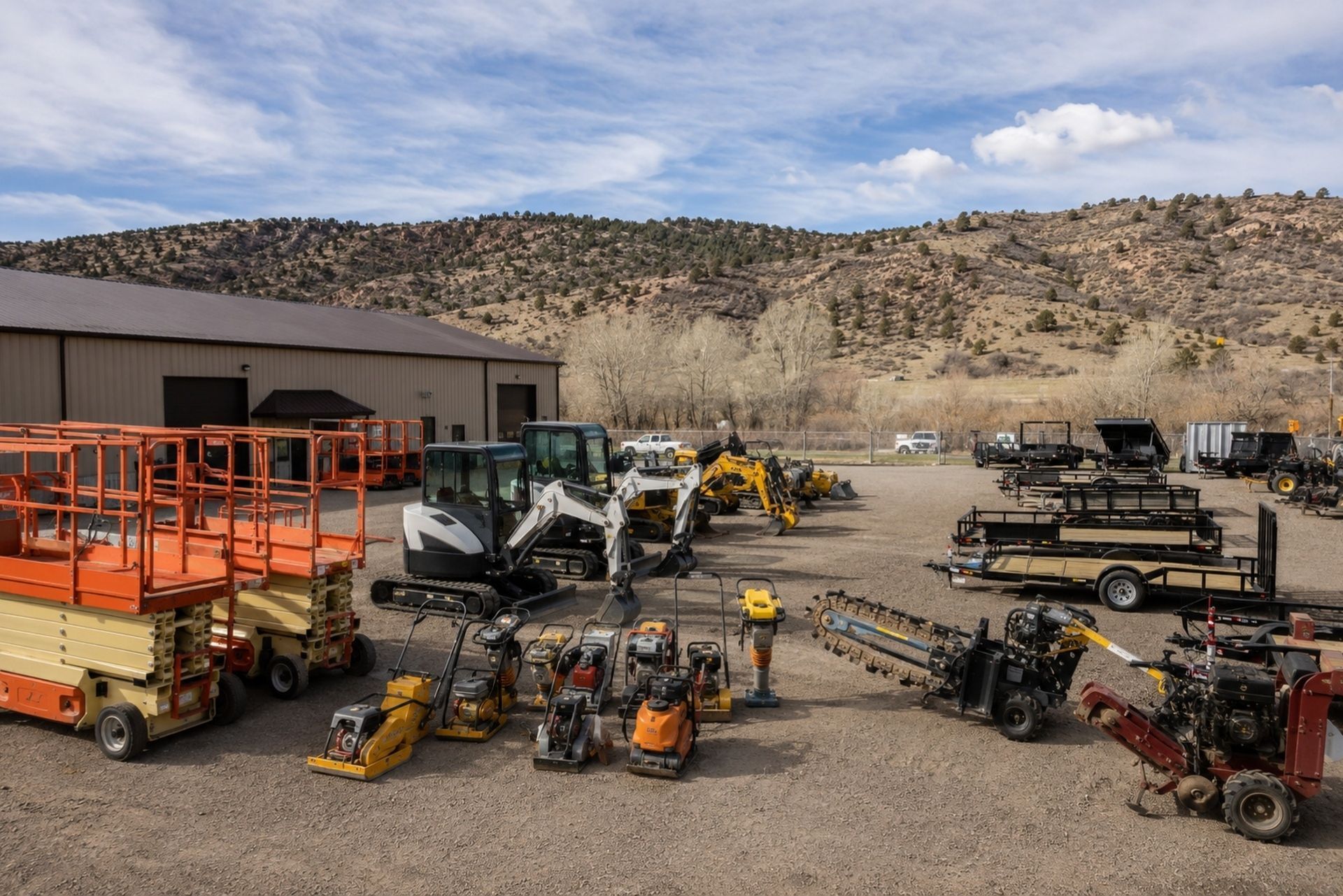
Running an equipment rental or tool hire business in Colorado means your inventory is constantly out of your hands. Excavators sit on muddy construction sites in Colorado Springs. Concrete saws travel across icy passes to Vail job sites. Generators power remote camps near Durango. Every piece of equipment you rent out faces damage, theft, and liability exposure that a standard business policy won't cover.
This Colorado equipment rental and tool hire insurance coverage guide breaks down the specific policies, endorsements, and strategies you need to protect your fleet, your revenue, and your business license. Whether you're operating a small tool crib in Fort Collins or managing a multi-location operation across the Front Range, the wrong coverage gap can cost you tens of thousands on a single claim. Annual insurance premiums for small equipment rental operations range from $1,100 to $3,000, while large fleets with high-value machinery can see costs climb well beyond that. The difference between a policy that actually pays out and one that leaves you holding the bag comes down to understanding what you're buying and why Colorado demands specific protections other states don't.
We've seen rental operators lose $40,000 skid steers to a single uncovered theft claim. Don't let that be you.
Essential Insurance Coverages for Colorado Rental Businesses
Your insurance stack isn't one policy. It's a layered system where each coverage handles a different type of loss. Miss one layer, and you'll discover the gap at the worst possible time: when you're filing a claim.
Inland Marine and Equipment Floaters
Standard commercial property insurance covers items at your fixed location. The moment a piece of equipment leaves your yard on a flatbed, that coverage typically stops. Inland marine insurance, sometimes called an equipment floater, follows your tools and machinery wherever they go. This is the backbone of any rental operation's insurance program.
Your floater should cover the full replacement cost of each item, not just depreciated value. A three-year-old mini excavator might book at $28,000, but replacing it costs $52,000 in 2026. Make sure your policy reflects current replacement pricing and that you update your equipment schedule every time you add or sell inventory. Failing to update that schedule is one of the most common mistakes we see, and insurers will deny claims on unlisted equipment without hesitation.
General Liability and Property Damage
General liability (GL) protects you when your rented equipment causes bodily injury or property damage to a third party. Picture this: a renter uses your rented plate compactor, and it throws a chunk of debris through a storefront window. The property owner sues your business, not just the renter. Your GL policy responds to that claim.
Most Colorado rental operations need at least $1 million per occurrence and $2 million aggregate. If you rent heavy equipment like cranes or aerial lifts, your insurer may require higher limits or an umbrella policy on top.
Rental Conversion and Voluntary Parting Coverage
Here's a coverage gap that catches many operators off guard. Standard theft policies require evidence of forced entry or criminal taking. But what happens when a renter simply never returns your $15,000 concrete pump? That's conversion, not theft in the traditional sense. Without a rental conversion endorsement, your insurer can deny the claim.
Voluntary parting coverage works similarly. You willingly handed the equipment to the renter, so a basic policy may exclude the loss entirely. These endorsements typically add 5-10% to your premium but can save you from catastrophic unrecovered losses.

By: Andy Roy
Owner & Agent
Colorado-Specific Regulatory and Legal Requirements
Colorado has its own rules that directly affect how you insure your rental business. Ignoring state-specific mandates doesn't just create coverage gaps; it creates legal liability.
State Workers' Compensation Mandates
Under C.R.S. § 8-40-202, Colorado requires workers' compensation insurance for virtually all employers, including part-time and seasonal workers. If you staff your rental yard with even one employee, you need a policy. The penalties for non-compliance are steep: fines of up to $500 per day, plus personal liability for any workplace injuries.
Your experience modification rate (EMR) plays a big role here. An EMR above 1.0 means your claims history is worse than your industry average, and your premiums will reflect that. Keeping your EMR low through documented safety programs and prompt return-to-work protocols can save you thousands annually. Colorado's Division of Workers' Compensation tracks these ratings closely, and a high EMR can even disqualify you from bidding on certain public contracts.
Commercial Auto Insurance for Delivery Fleets
If you deliver equipment to job sites, your personal auto policy won't cover those trips. This is the "personal policy trap" that catches small operators who use their own trucks for business deliveries. Colorado requires minimum commercial auto liability limits for vehicles used in business operations, and your insurer needs to know those vehicles are hauling heavy equipment.
Consider hired and non-owned auto coverage if employees occasionally use personal vehicles for business errands. A single accident during a delivery run without proper commercial auto coverage could expose your personal assets to a lawsuit.
Managing Risks Unique to the Rocky Mountain Region
Colorado's geography and climate create hazards that rental operators in flat, temperate states simply don't face. Your insurance and risk management strategies need to account for these realities.
Protection Against Severe Weather and High Altitudes
Hailstorms along the Front Range can destroy equipment left on open job sites. Colorado's Eastern Plains and metro areas like Denver and Aurora see some of the most damaging hail events in the country, with stones large enough to dent metal housings and crack LCD panels on newer equipment. Your inland marine policy should explicitly cover weather-related damage, including hail, lightning, and wind.
High altitude creates its own problems. Equipment operating above 8,000 feet loses engine efficiency, and renters unfamiliar with altitude adjustments can cause mechanical failures that blur the line between normal wear and covered damage. Define "misuse" clearly in your rental agreements and make sure your policy distinguishes between mechanical breakdown and renter negligence.
Wildfire smoke exposure is another Colorado-specific concern. Fine particulate matter can clog air filtration systems on generators and compressors, leading to premature failure. Document the condition of air filters and intake systems before and after every rental to support any related claims.
Theft Prevention and Recovery in Metro Areas
Denver, Aurora, and Colorado Springs consistently rank among cities with higher property crime rates. Equipment theft from job sites is a real and recurring problem. GPS tracking devices on high-value items serve double duty: they help recover stolen equipment and they often qualify you for premium discounts of 5-15%.
Require renters to store equipment in locked enclosures overnight. Include this requirement in your rental contract, because your insurer may reduce or deny a theft claim if the equipment was left unsecured on an open site.
Structuring Your Rental Agreements for Maximum Protection
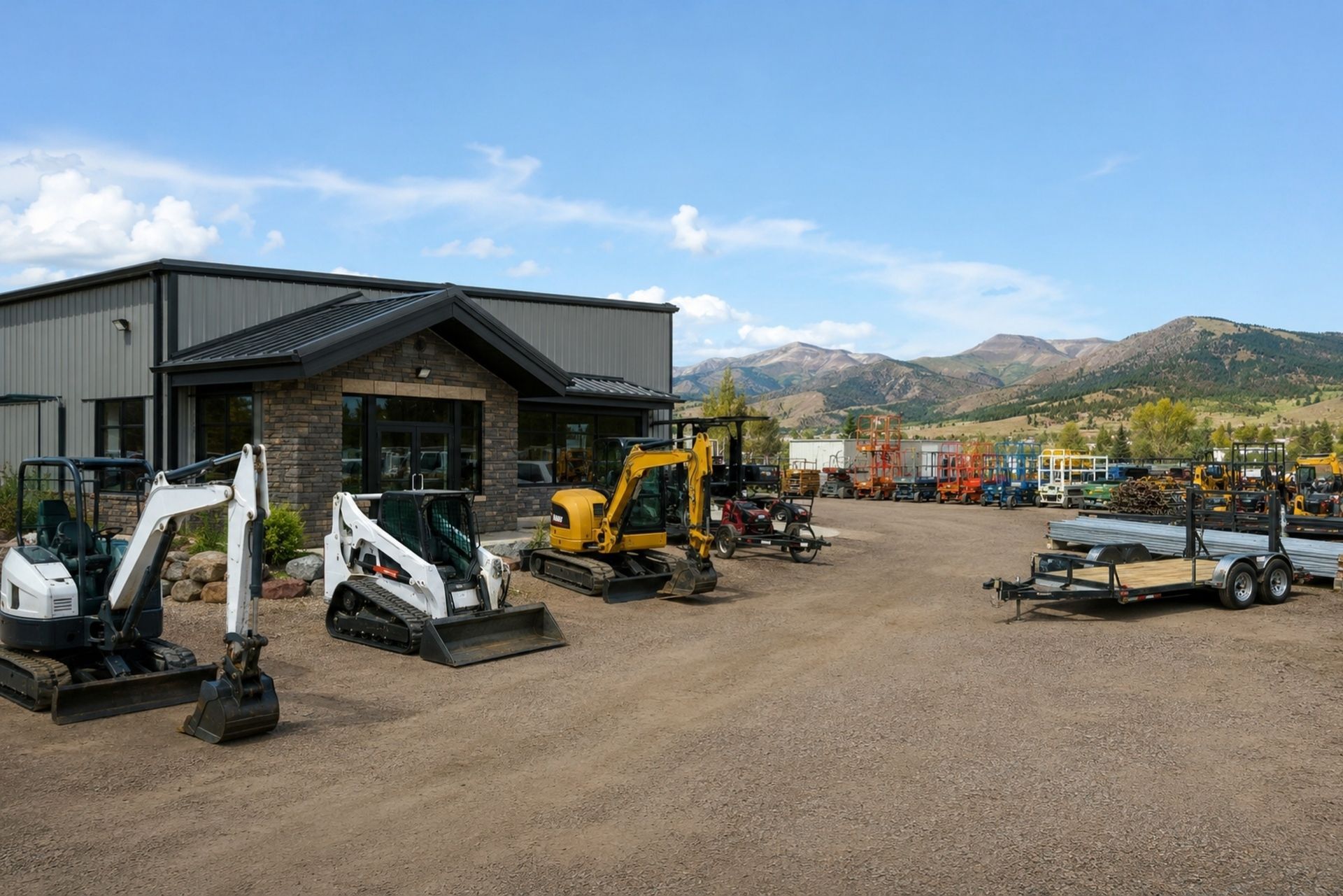
Your rental contract is your first line of defense. A well-drafted agreement can shift liability, reduce disputes, and make insurance claims smoother.
Liability Waivers and Damage Waivers
Colorado courts generally enforce liability waivers as long as they're clear, conspicuous, and don't attempt to waive liability for gross negligence. Your waiver should explicitly state that the renter assumes responsibility for damage, loss, and third-party injuries arising from equipment use.
Damage waivers are a separate tool. Similar to the collision damage waiver you'd see at a car rental counter, these allow renters to pay a daily fee to limit their financial exposure for equipment damage. This creates a revenue stream for your business and reduces friction when damage occurs. Structure the waiver fee at 10-15% of the daily rental rate, and clearly define what it does and doesn't cover.
Certificates of Insurance (COI) from Renters
For large equipment rentals, especially items valued above $10,000, require renters to provide a Certificate of Insurance naming your business as an additional insured. This means the renter's own liability and property policies respond first if something goes wrong.
Verify that the COI is current, that coverage limits meet your minimums, and that the certificate specifically lists the rented equipment. A stale or vague COI is as useful as no COI at all. Many rental management software platforms in 2026 can automate COI verification, flagging expired certificates before equipment leaves your yard.
Insurance costs eat into your margins, but the right strategies can bring premiums down without sacrificing coverage quality.
The Role of Safety Training and Maintenance Logs
Insurers reward businesses that demonstrate proactive risk management. Documented safety training for your staff, including equipment operation, load securement for deliveries, and emergency procedures, signals to underwriters that you're a lower-risk account.
Maintenance logs matter just as much. If a renter claims your equipment malfunctioned and caused an injury, your maintenance records are your defense. Detailed logs showing regular inspections, oil changes, and component replacements can be the difference between a denied claim and a successful defense against a liability suit.
Choosing Deductibles and Policy Limits
Higher deductibles lower your premiums, but they also increase your out-of-pocket costs per claim. For most mid-sized Colorado rental operations, a $2,500 to $5,000 deductible on inland marine coverage strikes a reasonable balance. If you're experiencing fewer than two claims per year, a higher deductible often pays for itself through premium savings.
| Coverage Type | Typical Deductible Range | Recommended Minimum Limit | Notes |
|---|---|---|---|
| General Liability | $500 - $1,000 | $1M per occurrence / $2M aggregate | Higher limits for heavy equipment |
| Inland Marine | $1,000 - $5,000 | Full replacement cost of fleet | Update schedule quarterly |
| Commercial Auto | $500 - $2,500 | $1M combined single limit | Required for delivery vehicles |
| Workers' Comp | N/A (state-mandated) | Statutory minimum | EMR affects pricing directly |
| Umbrella/Excess | $10,000 | $1M - $5M | Fills gaps above primary limits |
Compare at least three quotes from independent agents who specialize in equipment rental insurance. A generalist agent may not understand the nuances of rental conversion endorsements or altitude-related exclusions that matter in Colorado.s.
Protecting a Colorado equipment rental business requires more than a generic commercial policy. You need inland marine coverage that follows your inventory, liability protection that accounts for third-party claims, and endorsements like rental conversion coverage that address the specific ways rental businesses lose money. Colorado's workers' comp mandates, weather exposure, and urban theft risks add layers of complexity that out-of-state cookie-cutter policies simply miss.
Start by auditing your current equipment schedule against your actual inventory. Then review your rental agreements for liability language and COI requirements. Work with an independent agent who understands Colorado's regulatory environment and the rental industry's unique exposures. The cost of proper coverage is predictable; the cost of a coverage gap is not.
Frequently Asked Questions
Does my renter's insurance cover damage to my equipment? Only if they have an inland marine or contractor's equipment policy that covers rented items. Always verify this with a current COI before releasing high-value equipment.
Do I need commercial auto insurance if I only deliver equipment occasionally? Yes. Colorado law requires commercial coverage for any vehicle used in business operations, even if deliveries are infrequent. Your personal auto policy will deny a claim that occurs during a business delivery.
What's the difference between a damage waiver and insurance? A damage waiver is a contractual agreement between you and the renter that limits their financial responsibility for certain types of damage. It's not an insurance policy and isn't regulated by the Colorado Division of Insurance.
Can I require renters to carry their own liability insurance? Absolutely, and you should for high-value rentals. Require a COI naming your business as an additional insured, with coverage limits that match your rental agreement terms.
How does altitude affect my equipment insurance in Colorado? Most policies don't exclude altitude-related damage, but mechanical breakdowns caused by improper altitude adjustments may fall under a "misuse" exclusion. Define acceptable operating conditions in your rental contract.
Will GPS tracking lower my insurance premiums? Many insurers offer discounts of 5-15% for fleets equipped with GPS tracking, since it improves recovery rates for stolen equipment and demonstrates proactive risk management.
About The Author: Andy Roy
As Owner and Agent at Pure Risk Advisors, I’ve spent over three decades helping clients find reliable, affordable coverage they can count on. Licensed in Arizona, Colorado, and Wyoming, I take pride in offering personalized service and practical solutions that fit each client’s unique needs—backed by years of experience and a genuine commitment to my community.
Your Personal Insurance Solutions in Colorado
Our team of experts is dedicated to understanding your unique needs and crafting tailored insurance solutions to safeguard your most valued assets, providing you with the confidence and peace of mind you deserve.
3R Personal Insurance Agency
Why Work With 3R Insurance
Choose 3R Insurance and unlock a world of personalized, expert-driven insurance solutions tailored to protect what matters most to you. Experience unparalleled choice, transparency, and ongoing support as our dedicated agents guide you through your insurance journey, ensuring you receive the best coverage at competitive prices.

Choice & Transparency
At 3R Insurance, our independent agents set themselves apart from traditional insurance company agents by working for you, not the insurer. As independent agents, they have the flexibility to offer a diverse range of policies tailored to your unique needs.

Your Advocate
Our independent agents are committed to providing the best coverage suited for your individual requirements. They work diligently to align your insurance needs with your budget, ensuring you receive top-quality coverage at an affordable price.
Lifetime Expert Advice
With a wealth of industry knowledge, our independent insurance agents are true experts, capable of clarifying complex policies and rate changes. Their extensive experience with multiple insurance providers makes them reliable sources of information, offering invaluable guidance and support throughout your insurance journey. Experience the 3R Insurance difference with our commitment to choice, transparency, and exceptional service.
How To File A Insurance Claim in Colorado
Report the Incident
Promptly contact 3R Insurance to report the incident that led to the need for filing a claim. Provide accurate and detailed information about the circumstances, including the date, location, and any individuals involved. This timely reporting helps ensure the claims process proceeds as smoothly and efficiently as possible.
Gather Documentation
Collect any relevant documentation to support your claim, such as photos, videos, police reports, and witness statements. Organizing this evidence will help strengthen your claim and expedite the evaluation process, allowing our dedicated claims team to assess the situation and determine the appropriate compensation.
Stay in Touch and Cooperate
Keep an open line of communication with your 3R Insurance agent during the claims process. Respond to any requests for additional information or clarification promptly, and be prepared to work closely with our team to ensure a fair and timely resolution. Our goal is to provide exceptional support and guidance throughout the entire claims experience.
Safeguarding What Matters to You with Personal Insurance

Craig C.
Personal Insurance Client
Beth is awesome and brings incredible customer service and a willingness to help with new drivers. I receive and appreciate the emails I find in my inbox about policy renewals. Beth and her team make is easy to connect with and understand my multi-coverage policy.
Rebecca V.
Personal Insurance Client
3R Insurance Agency is the best insurance agency hands down. Customer service is great. They have resolved more issues over the years than I can count. Simply amazing!
Michelle M.
Personal Insurance Client
I have been with 3R insurance for years and have always had great success. Beth Woodward has always been helpful in getting the best insurance and rates for me.