
Colorado Cannabis Dispensary and Grow Insurance

8:30am - 5:00pm Mon-Fri
We'll Reply in 15min*
Colorado's cannabis industry generates hundreds of millions in revenue each year, but the market is tightening. Total marijuana sales for January and February 2026
reached $202.75 million, reflecting a 3.4% decline compared to the same period last year. Shrinking margins make risk management more critical than ever. A single uninsured fire, product liability claim, or crop loss can end a business that took years to build. If you own or plan to open a dispensary or grow operation in Colorado, understanding your insurance options isn't optional: it's survival. This guide breaks down the coverage types, cost factors, and compliance rules that Colorado cannabis dispensary and grow operation insurance demands, so you can protect what you've built without overpaying.
Colorado was among the first states to regulate recreational cannabis, and its regulatory framework has only grown more complex. The Marijuana Enforcement Division (MED) oversees licensing, testing, and compliance for every licensed cannabis business in the state. Insurance sits at the intersection of these regulations and your daily operations. Without the right policies, you're not just financially exposed: you may be out of compliance entirely.
State Mandates and Compliance Requirements
Every licensed cannabis business in Colorado must carry certain insurance as a condition of its license. The MED requires proof of general liability coverage, and many local jurisdictions layer on additional requirements. Denver, for example, mandates higher liability minimums than some rural counties.
The 2026 MED regulatory overhaul introduced updated compliance requirements that affect how businesses report their coverage. You'll need to show active policies during license renewal, and any lapse can trigger penalties or license suspension under C.R.S. § 44-10-601. Keep copies of your declarations pages accessible and set calendar reminders for renewal dates: a 30-day gap could cost you your license.
The Difference Between Dispensary and Cultivation Risks
A dispensary and a grow operation face fundamentally different risk profiles, even though they're part of the same supply chain. Dispensaries deal with foot traffic, cash handling, product liability from edibles and concentrates, and theft. A customer slipping on a wet floor or getting sick from a mislabeled product creates liability that mirrors retail and food service businesses.
Grow operations, on the other hand, face agricultural and industrial risks. Think electrical fires from high-intensity lighting, mold contamination wiping out an entire harvest, or HVAC failures during a July heat wave that destroy thousands of plants overnight. Your insurance needs to reflect these specific exposures, not just check a generic box.


By: Andy Roy
Owner & Agent
Essential Coverage Types for Cannabis Businesses
The cannabis insurance market has matured since Colorado's early legalization days, but it's still a specialty niche. Standard commercial carriers often exclude cannabis-related businesses entirely, which means you'll likely work with specialty insurers or cannabis-focused brokers. Here's what you actually need.
General Liability and Product Liability
General liability (GL) covers third-party bodily injury and property damage claims. If a customer trips over a display case in your dispensary or a delivery driver damages someone's property, GL responds. Colorado cannabis businesses typically need a minimum of $1 million per occurrence, though landlords and licensing authorities may require $2 million aggregate limits.
Product liability is where things get expensive and specific. If a consumer has an adverse reaction to an edible, a contaminated vape cartridge, or an incorrectly dosed tincture, your product liability coverage pays for legal defense and settlements. General liability policies for Colorado cannabis businesses typically cost between $2,000 and $8,000 annually, depending on revenue and product type. Edibles manufacturers and concentrate producers pay more because their products carry higher ingestion risk.
Crop and Inventory Insurance for Growers
Imagine walking into your grow facility on a Monday morning to find that a power outage over the weekend killed your entire flowering room. Without crop insurance, you're absorbing a loss that could easily exceed $100,000 for a mid-size operation.
Crop and inventory insurance covers the value of your plants at various growth stages, from clones to harvest-ready flower. Policies typically distinguish between perils: some cover fire, theft, and equipment breakdown, while others extend to mold, pest infestation, and power failure. The key detail is valuation. Make sure your policy covers replacement cost or finished market value, not just the cost of seeds and nutrients. A plant three weeks from harvest is worth far more than the inputs that created it.
Workers' Compensation in the Green Industry
Colorado law requires workers' compensation for nearly every business with employees, and cannabis is no exception under C.R.S. § 8-40-302. Trimming, harvesting, and extraction work all carry injury risks: repetitive strain from hand-trimming, chemical exposure from extraction solvents, and slip-and-fall hazards in wet grow rooms.
Your experience modification rate (EMR) directly affects your premium. This number reflects your claims history compared to similar businesses. A clean safety record can push your EMR below 1.0 and save you thousands annually. Investing in proper training, ergonomic workstations, and documented safety protocols pays for itself through lower workers' comp costs over time.
Not every cannabis business needs the same level of coverage. A small craft grower with three employees has different needs than a multi-location dispensary chain. But skimping on coverage to save a few hundred dollars a month is one of the most common mistakes we see.
Coverage Comparison Table
| Coverage Feature | Basic Policy | Comprehensive Policy |
|---|---|---|
| General Liability | $1M per occurrence | $2M per occurrence / $4M aggregate |
| Product Liability | Included with low sublimit | Full separate limit, $1M+ |
| Crop/Inventory | Named perils only (fire, theft) | All-risk including power failure, mold |
| Equipment Breakdown | Not included | Covered, including HVAC and lighting |
| Business Interruption | Not included | Covers lost income during shutdowns |
| Cyber Liability | Not included | Covers POS breaches and data theft |
| Typical Annual Cost | $3,000 - $7,000 | $10,000 - $25,000+ |
The gap between basic and comprehensive coverage often shows up only after a claim. A basic policy might cover a fire but won't pay for the three months of lost revenue while you rebuild. Business interruption coverage fills that gap, and for most operations generating over $500,000 annually, it's worth every dollar.
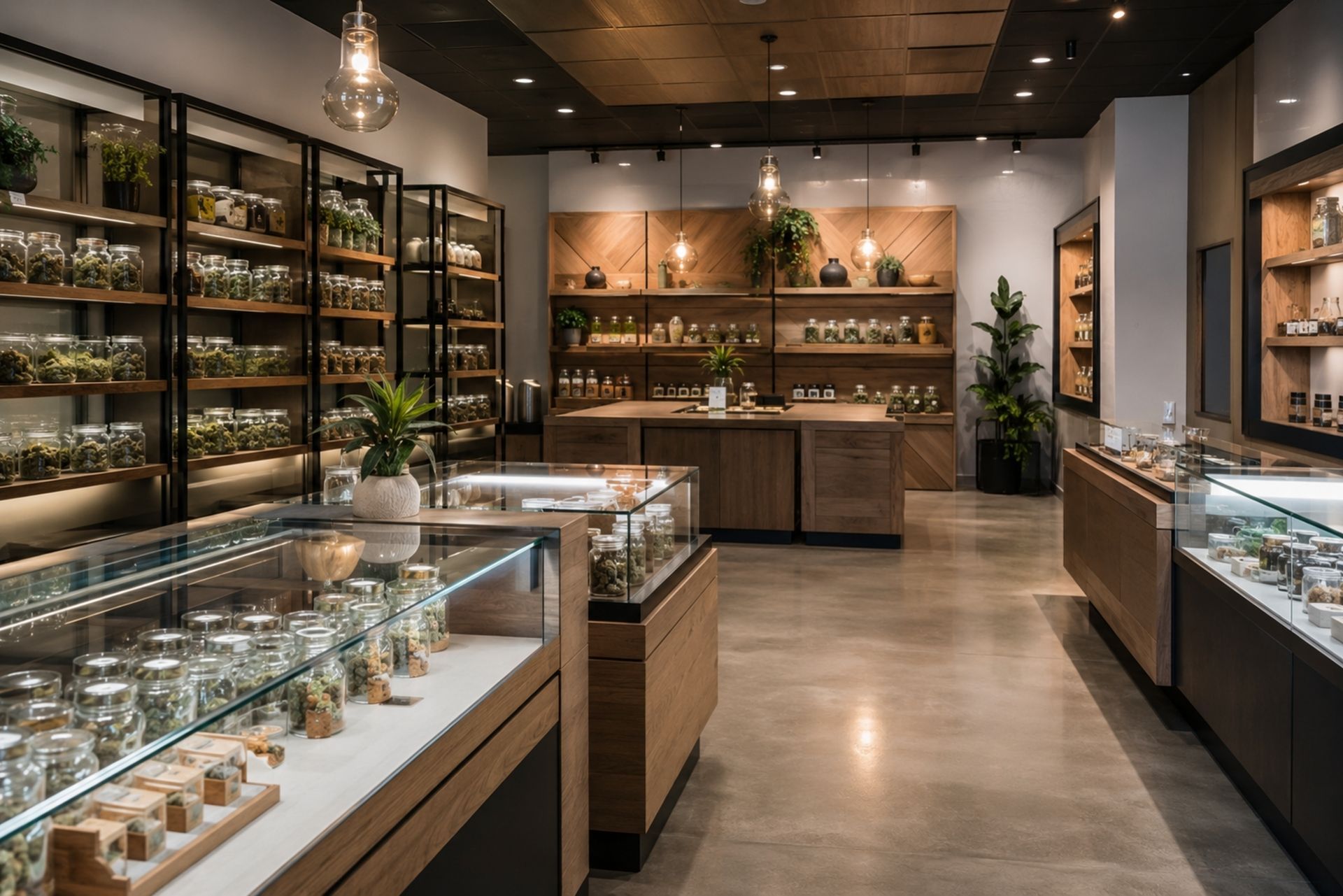
Cannabis insurance premiums vary widely, and understanding what drives your cost helps you control it. Two dispensaries on the same block can pay dramatically different rates based on a handful of factors.
Facility Security and Fire Suppression Systems
Insurers look closely at your physical security setup. Colorado's MED already requires specific security measures for licensed facilities, including 24-hour video surveillance and restricted access areas. But going beyond the minimum, with monitored alarm systems, reinforced entry points, and fire suppression systems, can reduce your premiums by 10-20%.
Grow operations face particular scrutiny around fire risk. High-wattage HPS lighting, electrical panels running at capacity, and flammable nutrients create a fire profile that underwriters take seriously. Facilities with commercial-grade fire suppression, proper electrical inspections, and documented maintenance logs consistently receive better rates.
Revenue Projections and Testing Protocols
Your annual revenue directly affects your liability premiums because higher sales volume means more products in consumers' hands and more potential claims. Insurers also look at your testing and quality control procedures. Businesses that test beyond state minimums, maintain batch tracking records, and follow Good Manufacturing Practices (GMP) present a lower risk profile.
The
shifting federal stance on medical marijuana is also starting to influence the insurance market. As federal policy evolves, more carriers may enter the cannabis space, which could drive premiums down through competition. For now, though, expect to pay a specialty market premium
Common Questions About Colorado Cannabis Insurance
FAQ: Do I need insurance if I only grow for personal use?
No. Colorado's insurance mandates apply to licensed commercial operations. If you're growing within the personal cultivation limits under Amendment 64 (six plants per adult, three flowering), you don't need commercial cannabis insurance. Your homeowner's policy likely won't cover your plants, though, so don't assume you're protected.
FAQ: How much does a standard dispensary policy cost?
Most Colorado dispensaries pay between $5,000 and $15,000 per year for a general liability and product liability package. The range depends on your revenue, product mix, number of locations, and claims history. Cannabis-specific insurance costs tend to run 2-3 times higher than comparable non-cannabis retail businesses.
FAQ: Does insurance cover my plants if the power goes out?
It depends on your policy. Basic crop insurance with named-peril coverage typically excludes power failure. Comprehensive or all-risk crop policies do cover power outages, but you'll need to show that you had backup power systems or reasonable safeguards in place. An underwriter won't look kindly on a facility with no generator and no alarm system.
FAQ: Are delivery drivers covered under my general liability?
Usually not. General liability covers incidents at your premises, not on the road. You need a commercial auto policy or a hired and non-owned auto endorsement if your drivers use personal vehicles. Colorado's cannabis delivery regulations add another layer: make sure your auto policy explicitly covers cannabis transport.
FAQ: What happens if my product fails state lab testing?
Standard policies don't cover the cost of destroyed inventory due to failed testing. Some comprehensive policies offer a "product recall" or "contamination" endorsement that covers disposal costs and lost revenue from pulled batches. If you're producing edibles or concentrates, this endorsement is worth asking about specifically.
Making the Right Choice for Your Operation
Colorado's cannabis insurance market is specialized, and getting it right requires more than picking the cheapest quote. The ongoing decline in Colorado pot market revenues means margins are thinner, and a single uninsured loss can be the difference between staying open and closing your doors.
Start by getting at least three quotes from brokers who specialize in cannabis. Ask each one about coverage gaps: what's excluded, what sublimits apply, and how claims are handled for cannabis-specific scenarios. Make sure your policies align with MED requirements and local ordinances, and keep documentation current.
The businesses that survive market downturns aren't just the ones with the best product. They're the ones that protected themselves against the risks they could see coming. Your insurance policy is the foundation of that protection, so treat it with the same care you give your plants and your customers.
About The Author: Andy Roy
As Owner and Agent at Pure Risk Advisors, I’ve spent over three decades helping clients find reliable, affordable coverage they can count on. Licensed in Arizona, Colorado, and Wyoming, I take pride in offering personalized service and practical solutions that fit each client’s unique needs—backed by years of experience and a genuine commitment to my community.
Your Personal Insurance Solutions in Colorado
Our team of experts is dedicated to understanding your unique needs and crafting tailored insurance solutions to safeguard your most valued assets, providing you with the confidence and peace of mind you deserve.
3R Personal Insurance Agency
Why Work With 3R Insurance
Choose 3R Insurance and unlock a world of personalized, expert-driven insurance solutions tailored to protect what matters most to you. Experience unparalleled choice, transparency, and ongoing support as our dedicated agents guide you through your insurance journey, ensuring you receive the best coverage at competitive prices.

Choice & Transparency
At 3R Insurance, our independent agents set themselves apart from traditional insurance company agents by working for you, not the insurer. As independent agents, they have the flexibility to offer a diverse range of policies tailored to your unique needs.

Your Advocate
Our independent agents are committed to providing the best coverage suited for your individual requirements. They work diligently to align your insurance needs with your budget, ensuring you receive top-quality coverage at an affordable price.

Lifetime Expert Advice
With a wealth of industry knowledge, our independent insurance agents are true experts, capable of clarifying complex policies and rate changes. Their extensive experience with multiple insurance providers makes them reliable sources of information, offering invaluable guidance and support throughout your insurance journey. Experience the 3R Insurance difference with our commitment to choice, transparency, and exceptional service.
How To File A Insurance Claim in Colorado
Report the Incident
Promptly contact 3R Insurance to report the incident that led to the need for filing a claim. Provide accurate and detailed information about the circumstances, including the date, location, and any individuals involved. This timely reporting helps ensure the claims process proceeds as smoothly and efficiently as possible.
Gather Documentation
Collect any relevant documentation to support your claim, such as photos, videos, police reports, and witness statements. Organizing this evidence will help strengthen your claim and expedite the evaluation process, allowing our dedicated claims team to assess the situation and determine the appropriate compensation.
Stay in Touch and Cooperate
Keep an open line of communication with your 3R Insurance agent during the claims process. Respond to any requests for additional information or clarification promptly, and be prepared to work closely with our team to ensure a fair and timely resolution. Our goal is to provide exceptional support and guidance throughout the entire claims experience.
Safeguarding What Matters to You with Personal Insurance

Craig C.
Personal Insurance Client
Beth is awesome and brings incredible customer service and a willingness to help with new drivers. I receive and appreciate the emails I find in my inbox about policy renewals. Beth and her team make is easy to connect with and understand my multi-coverage policy.
Rebecca V.
Personal Insurance Client
3R Insurance Agency is the best insurance agency hands down. Customer service is great. They have resolved more issues over the years than I can count. Simply amazing!
Michelle M.
Personal Insurance Client
I have been with 3R insurance for years and have always had great success. Beth Woodward has always been helpful in getting the best insurance and rates for me.