Colorado Bar & Tavern Insurance

8:30am - 5:00pm Mon-Fri
We'll Reply in 15min*
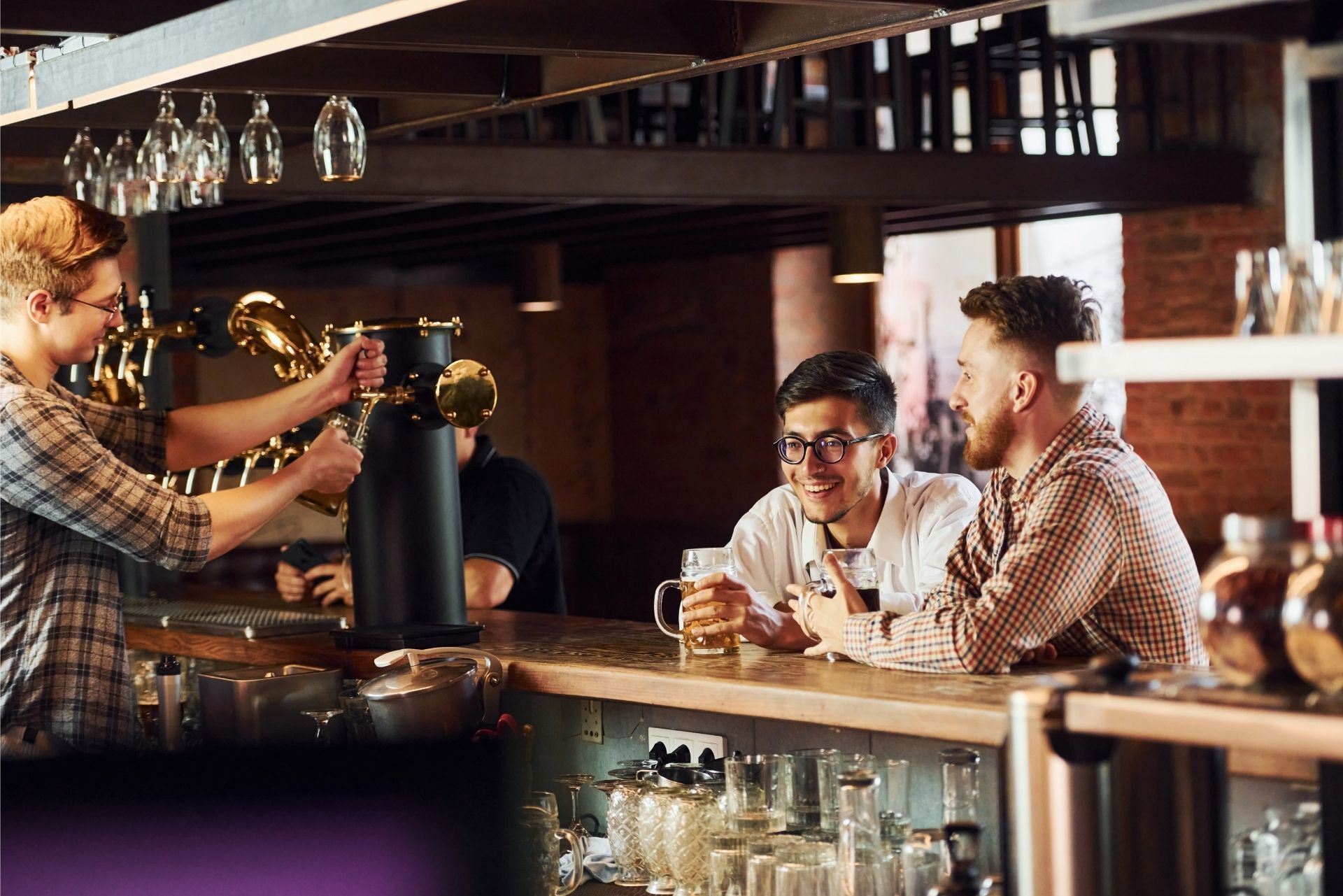
A Saturday night crowd packs your Denver taproom, the band's warming up, and your bartenders are pouring Colorado craft beers as fast as they can. Then a patron slips on a wet floor near the restroom, another customer gets into a shoving match by the pool tables, and someone claims they were overserved before driving home. In the span of an hour, you're facing three potential claims that could threaten everything you've built. This is the reality of running a bar or tavern in Colorado, where the combination of alcohol service, late hours, and high-energy environments creates a unique risk profile that standard business insurance simply doesn't address.
Colorado bar and tavern insurance explained in practical terms means understanding which coverages are legally required, which ones protect you from the state's specific liquor liability laws, and which optional protections make sense for your particular venue. Whether you operate a quiet neighborhood pub in Fort Collins or a bustling nightclub on Larimer Street, the right insurance portfolio acts as the foundation of your
business's survival strategy. Getting this wrong isn't just expensive; it can mean losing your liquor license, your personal assets, or the business itself.
The Fundamentals of Colorado Hospitality Insurance
Defining Bar and Tavern Risk Profiles
Insurance carriers view bars and taverns differently than restaurants or retail shops. Your establishment serves alcohol as a primary revenue source, operates during late hours when incidents are more common, and attracts crowds that can become unpredictable. These factors combine to create what underwriters call a "high-hazard" classification.
Your specific risk profile depends on several variables: the percentage of revenue from alcohol versus food, your hours of operation, whether you offer live entertainment or dancing, and your location within Colorado. A craft brewery taproom in Boulder that closes at 10 PM presents different risks than a sports bar in Colorado Springs with pool tables and big-screen TVs. Carriers evaluate these distinctions carefully when determining both eligibility and pricing.
Mandatory vs. Optional Coverage in Colorado
Colorado law requires certain coverages while leaving others to your discretion. Workers' compensation insurance is mandatory if you have any employees, with no exceptions for small establishments. General liability insurance isn't technically required by state law, but your landlord will almost certainly demand it, and you won't get a liquor license without it.
Liquor liability coverage falls into a gray area. While not mandated by statute, Colorado's dram shop laws create such significant exposure that operating without it borders on reckless. Beyond these essentials, you'll encounter optional coverages including equipment breakdown, business interruption, cyber liability, and employment practices liability. Each fills a specific gap, and the right combination depends on your venue's characteristics.
By: Andy Roy
Owner & Agent
Understanding Colorado Dram Shop Statutes
Colorado's dram shop law, codified in C.R.S. § 12-47-801, holds bars and taverns accountable when they serve visibly intoxicated patrons who subsequently cause harm to third parties. Unlike some states that cap damages or provide broader protections for licensees, Colorado's statute creates substantial exposure for establishments that overserve.
The law specifically targets service to individuals who are "visibly intoxicated," which becomes a judgment call your staff makes dozens of times each night. If a customer you served causes a car accident, injures a pedestrian, or damages property, the injured party can pursue your establishment for damages. Liquor liability insurance responds to these claims, covering both defense costs and settlements up to your policy limits. Most Colorado bars carry between $300,000 and $1 million in liquor liability coverage, though high-volume venues often secure higher limits.
Assault and Battery Coverage Enhancements
Standard general liability policies typically exclude injuries resulting from assault and battery, which creates a dangerous gap for bar owners. When fights break out, whether between patrons or involving your security staff, you need coverage that responds.
Assault and battery endorsements fill this gap, covering claims where your employees or security personnel are accused of using excessive force, or where you're held liable for failing to prevent altercations between customers. These endorsements add cost to your policy but address one of the most common claim scenarios in the bar industry. Some carriers offer this coverage as a standard inclusion for hospitality accounts; others require you to add it separately.
Essential Property and General Liability Protections
Protecting Physical Assets and Equipment
Your bar's physical assets extend far beyond the building itself. Commercial-grade refrigeration, draft beer systems, point-of-sale equipment, sound systems, and specialized bar equipment represent significant investments. Property insurance covers these assets against fire, theft, vandalism, and certain weather events.
| Coverage Type | What It Protects | Typical Limits |
|---|---|---|
| Building Coverage | Structure, fixtures, improvements | Replacement cost |
| Business Personal Property | Equipment, furniture, inventory | $50,000 - $500,000 |
| Business Personal Property | Mechanical/electrical failure | Varies by equipment value |
| Business Interruption | Lost income during closure | 6-12 months revenue |
| Spoilage Coverage | Perishable inventory loss | $10,000 - $50,000 |
Equipment breakdown coverage deserves special attention. When your walk-in cooler fails on a Friday afternoon, standard property insurance won't cover the mechanical failure or the spoiled inventory. Equipment breakdown coverage addresses both the repair costs and the resulting product loss.
Premises Liability for High-Traffic Venues
General liability insurance protects you when customers or visitors suffer injuries on your property. Slip-and-fall accidents represent the most frequent claims, but coverage extends to any bodily injury or property damage occurring at your venue. A customer who trips on a loose floor tile, burns themselves on a hot appetizer plate, or gets hit by a falling speaker all fall under premises liability.
Colorado courts have shown willingness to award substantial damages in premises liability cases, particularly when establishments failed to address known hazards. Your policy should include adequate limits, typically starting at $1 million per occurrence with a $2 million aggregate, to protect against these claims.
State-Specific Workers' Compensation and Employee Safety
Colorado Compliance for Small Establishments
Colorado mandates workers' compensation coverage for all employers, regardless of size. Even a two-person operation with one part-time bartender must carry coverage. The state doesn't recognize exemptions for family members or minimal-hour employees that some other states allow.
Premiums are calculated using classification codes that reflect job duties. Bartenders, servers, and security personnel each carry different rates, with security staff typically commanding the highest premiums due to their elevated injury risk. Your experience modification rate, which reflects your claims history compared to similar businesses, can significantly increase or decrease your premiums over time.
Colorado's Pinnacol Assurance serves as the state's workers' compensation insurer of last resort, accepting businesses that private carriers decline. However, Pinnacol's rates often exceed those available through competitive private markets, making it worthwhile to shop multiple carriers before defaulting to the state fund.
Impact of Sales Volume and Entertainment Types
Carriers calculate premiums partly based on your gross sales, with higher revenue correlating to increased exposure. A bar generating $2 million annually pays more than one bringing in $500,000, even if both occupy similar spaces.
Entertainment offerings significantly affect your rates. Live music, DJs, dancing, and pool tables each add risk factors that carriers price accordingly. A quiet wine bar pays substantially less than a nightclub with a dance floor, even with identical revenue figures. Some activities, like mechanical bulls or amateur boxing nights, may make coverage difficult to obtain at any price.
Risk Mitigation and Safety Training Discounts
Carriers reward establishments that demonstrate commitment to safety and responsible service. Completing TIPS or ServSafe alcohol training for all staff can reduce premiums by 5-15%, depending on the carrier. Installing security cameras, maintaining proper lighting in parking areas, and implementing documented incident response procedures all signal lower risk to underwriters.
Regular safety audits, even informal self-assessments, help identify hazards before they become claims. Document your efforts: carriers want to see that you're actively managing risk, not just purchasing insurance and hoping for the best.
Selecting the Right Policy for Your Venue
Finding appropriate coverage requires balancing protection against cost while ensuring no critical gaps exist. Work with an agent or broker who specializes in hospitality accounts; they understand the nuances that generalist agents often miss.
Request quotes from multiple carriers, as pricing varies significantly for bar and tavern risks. Some carriers actively pursue this business class while others add surcharges that make their quotes uncompetitive. Compare not just premiums but coverage terms, exclusions, and deductibles.
Review your policy annually, especially after making changes to your operation. Adding a patio, extending hours, or starting live entertainment all affect your coverage needs. A policy that fit perfectly two years ago may leave dangerous gaps today.
Frequently Asked Questions
How much does bar insurance typically cost in Colorado? Most Colorado bars pay between $3,000 and $15,000 annually for a comprehensive package including general liability, liquor liability, and property coverage. Premiums vary based on sales volume, location, and entertainment offerings.
Can I get coverage if I've had previous claims? Yes, though your options may be limited and premiums higher. Carriers evaluate your claims history, the circumstances of past incidents, and what steps you've taken to prevent recurrence.
Does my policy cover employees who drink on the job? Policies typically exclude coverage for incidents where employees were intoxicated during work hours. This exclusion underscores the importance of strict policies against employee drinking during shifts.
What happens if I underreport my sales to get lower premiums? Carriers audit your records, and underreporting can void your coverage entirely. If a claim occurs and the carrier discovers misrepresentation, they may deny the claim and cancel your policy.
Do I need separate coverage for outdoor patios or beer gardens? Your existing policy should cover outdoor areas, but you must disclose them to your carrier. Failing to report a new patio could create coverage gaps if incidents occur there.
Making the Right Choice for Your Business
The right insurance package protects your Colorado bar or tavern from the specific risks you face daily. Understanding how coverage components work together, from liquor liability to workers' compensation, positions you to make informed decisions rather than simply accepting whatever your agent suggests.
Start by assessing your actual exposures based on your venue's characteristics, then build coverage that addresses each one. Don't sacrifice essential protections to save a few hundred dollars annually; the cost of being underinsured far exceeds the premium savings. With proper coverage in place, you can focus on what you do best: running a great establishment where customers want to spend their time.
About The Author: Andy Roy
As Owner and Agent at Pure Risk Advisors, I’ve spent over three decades helping clients find reliable, affordable coverage they can count on. Licensed in Arizona, Colorado, and Wyoming, I take pride in offering personalized service and practical solutions that fit each client’s unique needs—backed by years of experience and a genuine commitment to my community.
Your Personal Insurance Solutions in Colorado
Our team of experts is dedicated to understanding your unique needs and crafting tailored insurance solutions to safeguard your most valued assets, providing you with the confidence and peace of mind you deserve.
3R Personal Insurance Agency
Why Work With 3R Insurance
Choose 3R Insurance and unlock a world of personalized, expert-driven insurance solutions tailored to protect what matters most to you. Experience unparalleled choice, transparency, and ongoing support as our dedicated agents guide you through your insurance journey, ensuring you receive the best coverage at competitive prices.

Choice & Transparency
At 3R Insurance, our independent agents set themselves apart from traditional insurance company agents by working for you, not the insurer. As independent agents, they have the flexibility to offer a diverse range of policies tailored to your unique needs.

Your Advocate
Our independent agents are committed to providing the best coverage suited for your individual requirements. They work diligently to align your insurance needs with your budget, ensuring you receive top-quality coverage at an affordable price.

Lifetime Expert Advice
With a wealth of industry knowledge, our independent insurance agents are true experts, capable of clarifying complex policies and rate changes. Their extensive experience with multiple insurance providers makes them reliable sources of information, offering invaluable guidance and support throughout your insurance journey. Experience the 3R Insurance difference with our commitment to choice, transparency, and exceptional service.
How To File A Insurance Claim in Colorado
Report the Incident
Promptly contact 3R Insurance to report the incident that led to the need for filing a claim. Provide accurate and detailed information about the circumstances, including the date, location, and any individuals involved. This timely reporting helps ensure the claims process proceeds as smoothly and efficiently as possible.
Gather Documentation
Collect any relevant documentation to support your claim, such as photos, videos, police reports, and witness statements. Organizing this evidence will help strengthen your claim and expedite the evaluation process, allowing our dedicated claims team to assess the situation and determine the appropriate compensation.
Stay in Touch and Cooperate
Keep an open line of communication with your 3R Insurance agent during the claims process. Respond to any requests for additional information or clarification promptly, and be prepared to work closely with our team to ensure a fair and timely resolution. Our goal is to provide exceptional support and guidance throughout the entire claims experience.
Safeguarding What Matters to You with Personal Insurance

Craig C.
Personal Insurance Client
Beth is awesome and brings incredible customer service and a willingness to help with new drivers. I receive and appreciate the emails I find in my inbox about policy renewals. Beth and her team make is easy to connect with and understand my multi-coverage policy.
Rebecca V.
Personal Insurance Client
3R Insurance Agency is the best insurance agency hands down. Customer service is great. They have resolved more issues over the years than I can count. Simply amazing!
Michelle M.
Personal Insurance Client
I have been with 3R insurance for years and have always had great success. Beth Woodward has always been helpful in getting the best insurance and rates for me.