
Non-Trucking Liability and Bobtail Insurance

8:30am - 5:00pm Mon-Fri
We'll Reply in 15min*
Most owner-operators leased to a
motor carrier assume they're covered by their
carrier's insurance policy around the clock. That assumption has led to thousands of denied claims and out-of-pocket losses that could have been avoided with the right gap coverage. The moment your dispatch ends, or you unhook your trailer and drive your cab somewhere personal, you may be completely uninsured, even if you're just heading home for the night. Understanding the difference between non-trucking liability and bobtail insurance is critical for any owner-operator who wants to protect both their livelihood and their personal assets. These two policies sound similar, and insurance agents sometimes use the terms interchangeably, but they cover different situations with different exclusions. Getting them confused, or skipping both entirely, can leave you exposed to six-figure liability after an at-fault accident. This guide breaks down exactly what each policy covers, where the gaps hide, and which one (or both) you actually need based on how you operate. If you're leased to a carrier and drive your own truck, this information could save your business.
Understanding Liability Gaps for Leased Owner-Operators
When you lease your truck to a motor carrier, the carrier's insurance becomes your primary coverage, but only while you're operating under their authority. That means there are specific windows of time where no policy is actively protecting you. These gaps are where owner-operators get burned most often, sometimes by accidents that happen just a few miles from home.
The Role of Primary Liability Insurance
Your motor carrier is required by the FMCSA to carry primary liability insurance, currently set at a minimum of $750,000 for general freight. That policy covers you while you're dispatched and hauling loads under their operating authority. The FMCSA is moving toward raising the federal minimum liability requirement from $750,000 to $2 million or more to address the growing insurance gap caused by rising claim costs and inflation. But here's the catch: that carrier policy only applies when you're actively working under dispatch. The second your load is delivered and you're released from dispatch, the carrier's insurance may no longer respond to a claim.
Defining the 'Dispatch' Boundary
The "dispatch boundary" is the line between being covered by your carrier's policy and being on your own. Generally, you're considered under dispatch from the moment you accept a load assignment until you complete delivery and are formally released. What happens between loads, during personal errands, or on your drive home falls outside that boundary. Your lease agreement with the carrier typically defines these terms, and insurers will scrutinize that language closely if a claim arises. Read your lease carefully, because the definition of "dispatch" can vary from one carrier to the next.

By: Andy Roy
Owner & Agent
What is Bobtail Insurance?
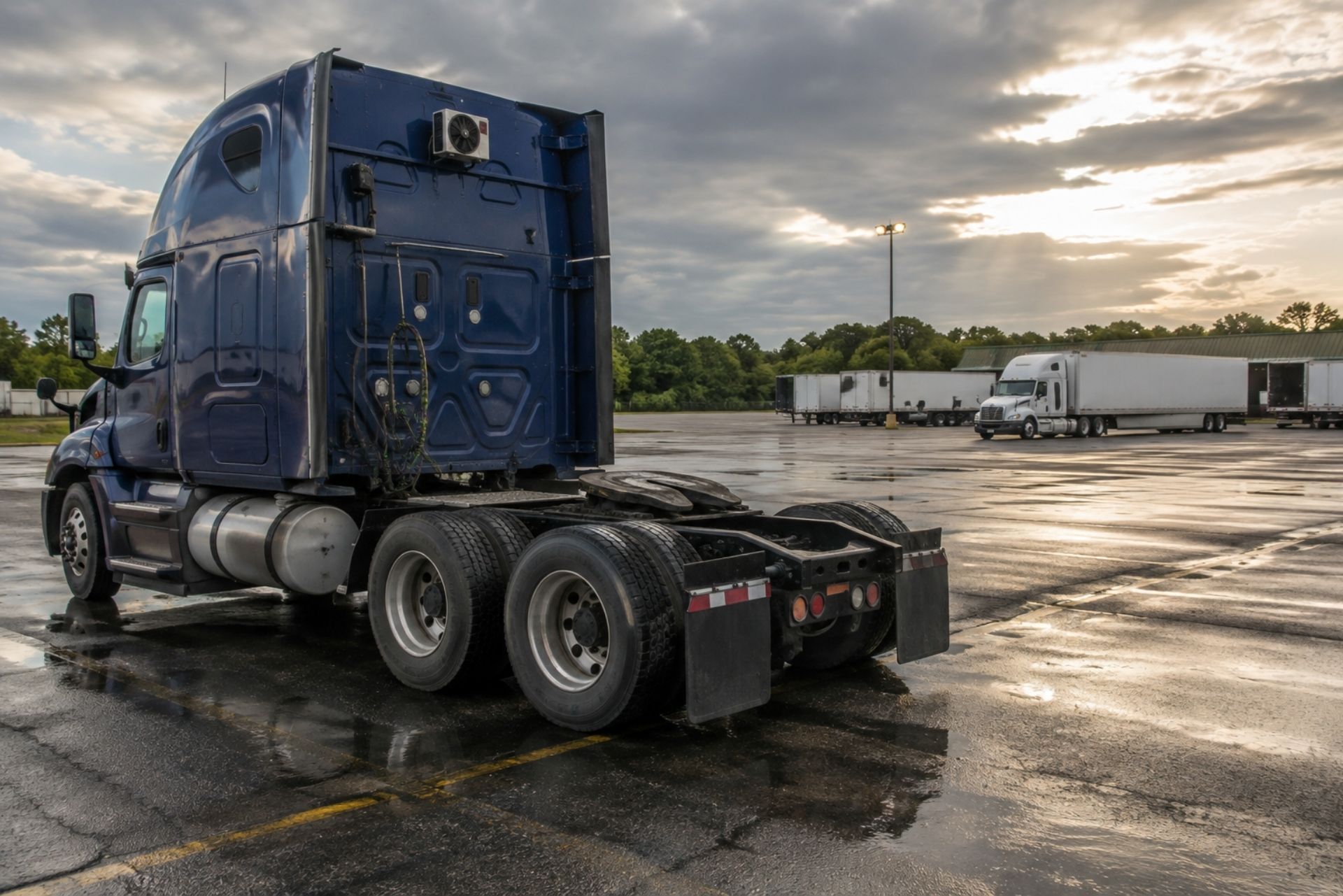
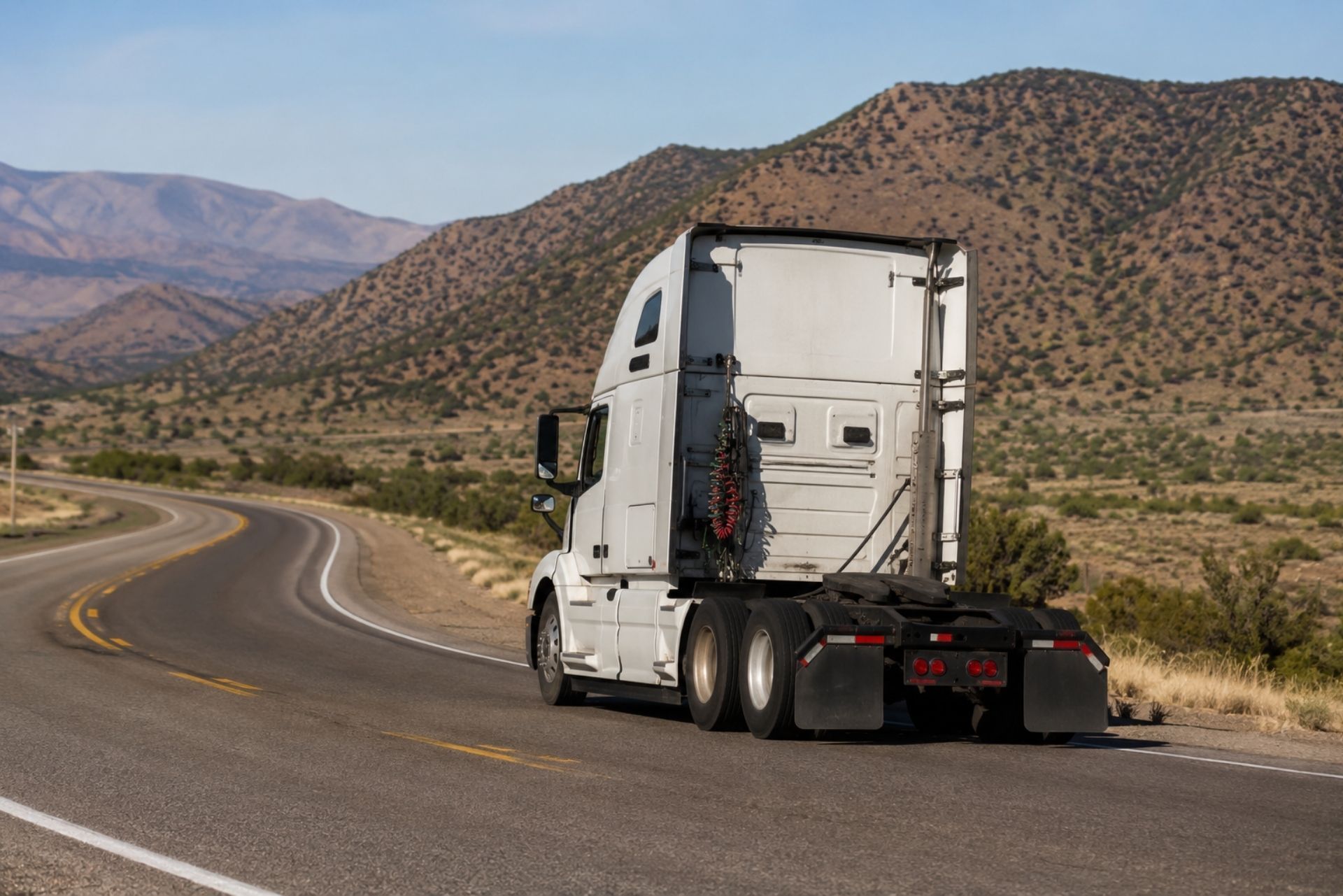
YBobtail insurance covers your truck when you're driving without a trailer attached, specifically during business-related travel that falls outside your carrier's dispatch. It's designed for the gaps between loads, like driving from a delivery point to a truck stop or heading to pick up your next assignment.
Coverage During the Deadhead Trip
Picture this: you've just dropped a load in Denver and you're deadheading 80 miles to pick up your next load in Pueblo. You're not under dispatch yet because you haven't been formally assigned the new load. If you cause an accident during that drive, your carrier's insurance likely won't cover it. Bobtail insurance steps in here, covering liability for bodily injury and property damage during these between-load trips. This is one of the key differences between bobtail and non-trucking liability coverage that trips up many operators.
When a Trailer is Not Attached
The term "bobtail" literally refers to operating a truck without a trailer. Some bobtail policies are strict about this: they only cover you when no trailer is attached. If you're pulling an empty trailer to a shipper, certain bobtail policies won't respond. This is a nuance worth confirming with your agent before you sign. Ask specifically whether pulling an empty trailer counts as "bobtailing" under your policy, because the answer isn't always obvious.
What is Non-Trucking Liability (NTL)?
Non-trucking liability insurance, often called NTL, covers your truck during personal use when you're not performing any work for your motor carrier. It's the policy that protects you when you're off the clock entirely, using your truck for non-business purposes.
Personal Use and 'Off-the-Clock' Protection
NTL kicks in when you're using your rig for personal reasons: driving to the grocery store, heading to a family event, or simply commuting between your home and a truck stop on your day off. Many carriers actually require their leased owner-operators to carry NTL as part of the lease agreement, because the carrier doesn't want liability exposure for what you do on your personal time. Typical NTL policies cover personal use scenarios like running errands, visiting family, or driving to a mechanic for personal maintenance.
Exclusions for Business-Related Travel
Here's where NTL gets tricky. If your personal trip has any business connection, NTL may deny the claim. Driving to pick up a load, even if you haven't been formally dispatched yet, could be considered business use. Heading to a truck wash before a scheduled pickup might also fall outside NTL coverage. The exclusions vary by insurer, but the general rule is clear: if the trip benefits your carrier or generates revenue, NTL probably won't cover it. This distinction is why some owner-operators carry both NTL and bobtail insurance, each filling a different gap.
Comparison: Bobtail vs. Non-Trucking Liability
The confusion between these two policies is understandable. They both cover you when your carrier's insurance doesn't, but they activate under different circumstances. One covers business-related driving between loads; the other covers personal use of your truck. Mixing them up can leave you with the wrong policy for the wrong situation.
Side-by-Side Coverage Differences Table
| Feature | Bobtail Insurance | Non-Trucking Liability (NTL) |
|---|---|---|
| Primary purpose | Between-load, business-related driving | Personal use of your truck |
| Trailer attached? | Typically no trailer attached | May or may not have trailer |
| Under dispatch? | No, but trip is business-related | No, and trip is personal |
| Common scenario | Deadheading to next pickup | Driving home for the weekend |
| Required by carriers? | Rarely required | Often required in lease agreements |
| Covers revenue-generating trips? | No (you're between loads, not hauling) | No |
| Typical monthly cost | $30-$60/month | $25-$50/month |
This
breakdown of coverage differences illustrates why relying on just one policy can leave blind spots. Many experienced owner-operators carry both, especially if they use their truck for personal errands and also deadhead regularly between loads.
Common Questions About Owner-Operator Coverage
These are the questions we hear most often from owner-operators trying to sort out their coverage. Each one addresses a specific misconception that leads to denied claims or wasted premium dollars.
Does my motor carrier's insurance cover me at home?
No. Once you're released from dispatch, the carrier's policy typically stops covering your truck. If you cause an accident driving home after a delivery, you'd need either bobtail or NTL coverage depending on whether the trip is business-related or personal. Some carriers' policies include limited "return to terminal" coverage, but don't assume yours does without confirming it in writing.
Is NTL the same as Physical Damage coverage?
Not at all. NTL is a liability policy, meaning it covers damage you cause to other people and their property. Physical damage coverage protects your own truck from collision, theft, fire, and similar perils. You could carry NTL and still have zero coverage for repairs to your own rig. These are separate policies with separate premiums, and both matter if your truck is financed or leased.
Do I need bobtail insurance if I always pull a trailer?
Maybe not, but think carefully before skipping it. If you truly never operate without a trailer, a strict bobtail policy may not provide much value. But "never" is a strong word. What about the day your trailer needs repairs and you drive the cab to a shop? Or when you drop a trailer at a yard and drive across town for the night? Those moments create exposure. A conversation with your agent about your actual driving patterns is worth the 20 minutes.
How much does a typical NTL policy cost per month?
Most NTL policies run between $25 and $50 per month, depending on your driving record, the state where your truck is registered, and your coverage limits. That's roughly $300 to $600 per year for protection against claims that could easily reach $100,000 or more. Rising claim costs across the trucking industry are pushing
insurance premiums higher even as safety technology improves, so locking in a rate now may save you money compared to waiting. Some carriers negotiate group NTL rates for their leased operators, so ask your carrier if that's an option before shopping independently.
The Bottom Line for Your Business
Owner-operators leased to a carrier sit in a unique insurance position. Your carrier's policy protects you on dispatch, but everything outside that window is your responsibility. NTL handles personal use. Bobtail covers business-related driving between loads. Neither one replaces the other, and neither covers physical damage to your own truck.
The smartest move is to review your lease agreement, identify exactly when your carrier's coverage starts and stops, and then fill the gaps with the right combination of policies. Talk to an independent insurance agent who specializes in trucking, compare at least three quotes, and make sure you understand the exclusions in each policy before you sign.
With the FMCSA considering a significant increase in minimum insurance requirements for carriers, the entire insurance structure for trucking is shifting. Owner-operators who understand their coverage gaps now will be better positioned to adapt as those changes take effect. Don't wait for a denied claim to find out you had the wrong policy, or worse, no policy at all. A few hundred dollars a year in premium is a small price compared to the cost of being uninsured when it matters most.
About The Author: Andy Roy
As Owner and Agent at Pure Risk Advisors, I’ve spent over three decades helping clients find reliable, affordable coverage they can count on. Licensed in Arizona, Colorado, and Wyoming, I take pride in offering personalized service and practical solutions that fit each client’s unique needs—backed by years of experience and a genuine commitment to my community.
Your Personal Insurance Solutions in Colorado
Our team of experts is dedicated to understanding your unique needs and crafting tailored insurance solutions to safeguard your most valued assets, providing you with the confidence and peace of mind you deserve.
3R Personal Insurance Agency
Why Work With 3R Insurance
Choose 3R Insurance and unlock a world of personalized, expert-driven insurance solutions tailored to protect what matters most to you. Experience unparalleled choice, transparency, and ongoing support as our dedicated agents guide you through your insurance journey, ensuring you receive the best coverage at competitive prices.

Choice & Transparency
At 3R Insurance, our independent agents set themselves apart from traditional insurance company agents by working for you, not the insurer. As independent agents, they have the flexibility to offer a diverse range of policies tailored to your unique needs.

Your Advocate
Our independent agents are committed to providing the best coverage suited for your individual requirements. They work diligently to align your insurance needs with your budget, ensuring you receive top-quality coverage at an affordable price.

Lifetime Expert Advice
With a wealth of industry knowledge, our independent insurance agents are true experts, capable of clarifying complex policies and rate changes. Their extensive experience with multiple insurance providers makes them reliable sources of information, offering invaluable guidance and support throughout your insurance journey. Experience the 3R Insurance difference with our commitment to choice, transparency, and exceptional service.
How To File A Insurance Claim in Colorado
Report the Incident
Promptly contact 3R Insurance to report the incident that led to the need for filing a claim. Provide accurate and detailed information about the circumstances, including the date, location, and any individuals involved. This timely reporting helps ensure the claims process proceeds as smoothly and efficiently as possible.
Gather Documentation
Collect any relevant documentation to support your claim, such as photos, videos, police reports, and witness statements. Organizing this evidence will help strengthen your claim and expedite the evaluation process, allowing our dedicated claims team to assess the situation and determine the appropriate compensation.
Stay in Touch and Cooperate
Keep an open line of communication with your 3R Insurance agent during the claims process. Respond to any requests for additional information or clarification promptly, and be prepared to work closely with our team to ensure a fair and timely resolution. Our goal is to provide exceptional support and guidance throughout the entire claims experience.
Safeguarding What Matters to You with Personal Insurance

Craig C.
Personal Insurance Client
Beth is awesome and brings incredible customer service and a willingness to help with new drivers. I receive and appreciate the emails I find in my inbox about policy renewals. Beth and her team make is easy to connect with and understand my multi-coverage policy.
Rebecca V.
Personal Insurance Client
3R Insurance Agency is the best insurance agency hands down. Customer service is great. They have resolved more issues over the years than I can count. Simply amazing!
Michelle M.
Personal Insurance Client
I have been with 3R insurance for years and have always had great success. Beth Woodward has always been helpful in getting the best insurance and rates for me.