
Tow Truck Insurance

8:30am - 5:00pm Mon-Fri
We'll Reply in 15min*
A single tow truck operator in Georgia lost $38,000 last year after a customer's SUV rolled off his flatbed during transport. His general liability policy didn't cover it. His auto policy didn't either. The gap that cost him nearly forty grand? He'd never purchased on-hook coverage, assuming his existing policies would handle damage to vehicles in his care.
This scenario plays out across the towing industry more often than you'd think. Tow truck insurance is built from multiple coverage layers, and two of the most misunderstood are on-hook and garagekeepers liability. Both protect vehicles you don't own, but they kick in at different times and under very different circumstances. Getting them confused, or skipping one entirely, can leave your business exposed to claims that wipe out months of revenue.
If you run a towing or auto storage operation, understanding how these two coverages work together isn't optional. It's how you keep your business solvent when something goes wrong with a customer's vehicle.
Understanding Liability in the Towing Industry
Towing companies face a unique liability problem: you're constantly responsible for other people's property. Every vehicle you hook up, winch onto a flatbed, or park in your yard represents someone else's financial asset sitting in your hands. If anything happens to that vehicle, the owner is coming to you for compensation.
Standard commercial auto insurance covers your trucks and your liability for accidents on the road. But it doesn't typically extend to the vehicles you're hauling or storing. That's the critical distinction many new operators miss. Your commercial auto policy treats the customer's car as cargo, and cargo coverage on a standard policy is either absent or woefully insufficient for vehicles worth $30,000 or more.
The towing industry has seen
premiums for liability and on-hook coverage increase by 10% to 15% in the first half of 2025, a trend that's continued into 2026. Rising vehicle values, more complex repairs, and an uptick in litigation have all pushed costs upward. That makes it even more important to buy the right coverage rather than paying for policies that leave gaps.

By: Andy Roy
Owner & Agent
What is On-Hook Towing Insurance?
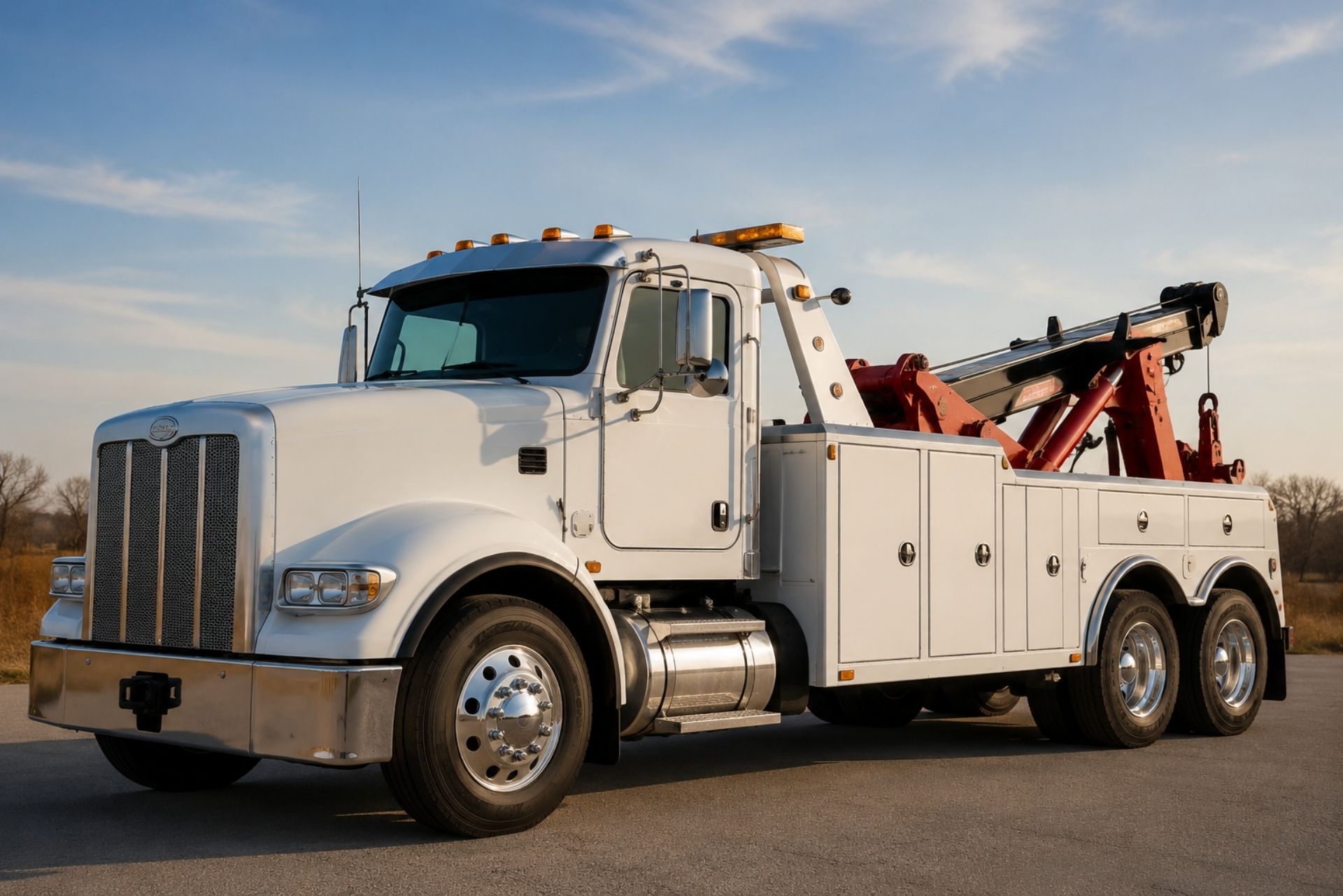
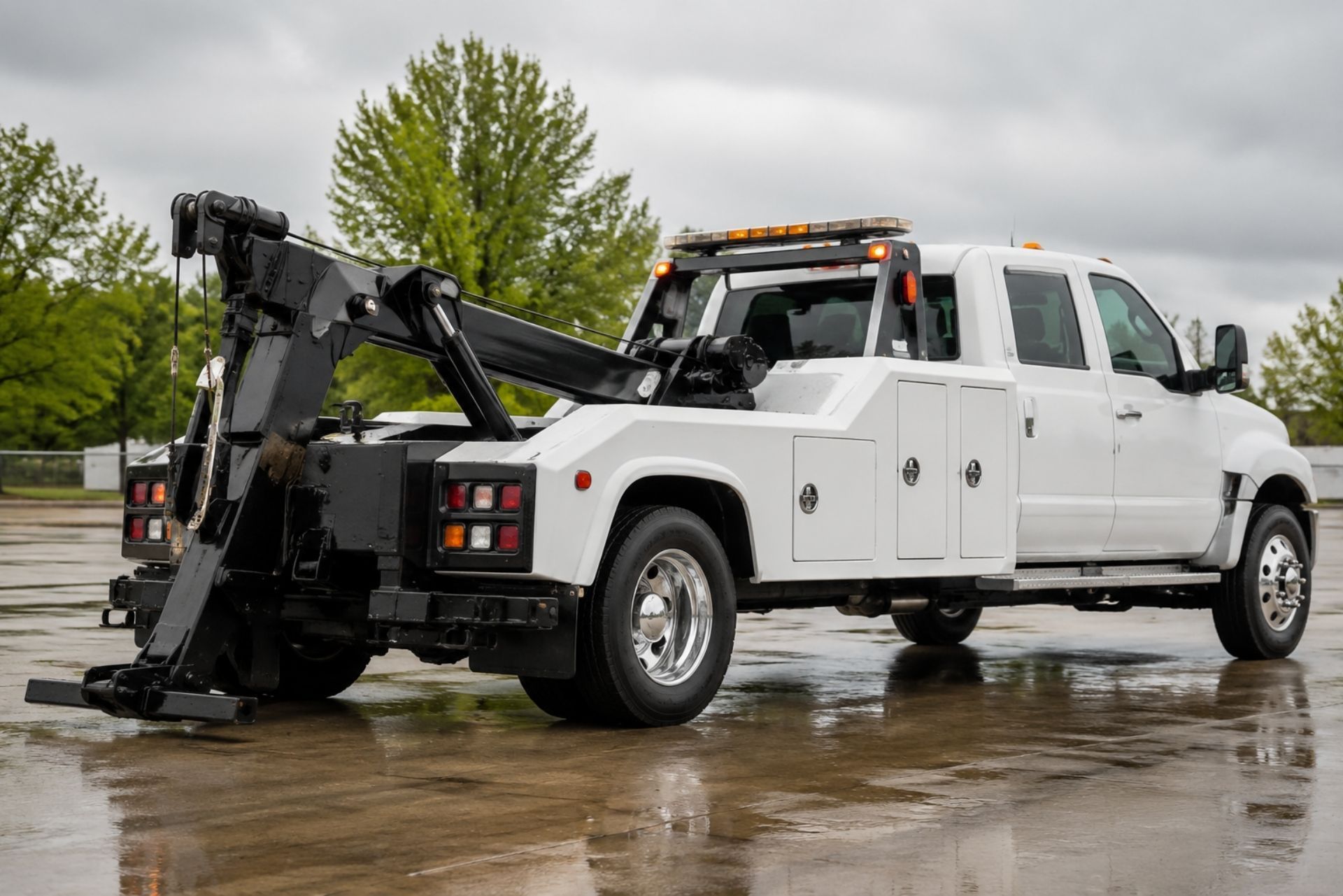
On-hook insurance is a specialized policy designed to cover damage to a customer's vehicle while it's being towed. The name comes from the physical act of hooking a vehicle to your truck, whether by wheel-lift, flatbed, or traditional tow bar. This coverage fills the gap that your commercial auto liability policy leaves open.
Think of it this way: your auto liability covers damage your truck causes to other vehicles on the road. On-hook coverage protects the specific vehicle attached to your truck. These are two different exposures, and they require two different policies.
What On-Hook Coverage Protects
On-hook policies generally cover physical damage to the towed vehicle from the moment you hook it up until you unhook it at the destination. This includes:
- Collision damage if your truck is involved in an accident while towing
- Damage from the vehicle falling off the flatbed or detaching during transport
- Fire, theft, or vandalism that occurs while the vehicle is connected to your truck
- Weather-related damage like hail or falling tree limbs during transit
The coverage amount is typically set per vehicle, with limits ranging from $50,000 to $150,000 per occurrence. If you regularly tow luxury vehicles or heavy-duty trucks, you'll want limits on the higher end.
Common Exclusions to Watch For
On-hook policies aren't blanket protection. Most exclude pre-existing damage, which is why a thorough vehicle condition report before every tow is essential. If a customer claims you scratched their bumper but you documented the scratch before hooking up, you're protected.
Mechanical or electrical failure that occurs during towing is another common exclusion. If a transmission fails because the vehicle was towed improperly (wrong gear, wrong method), some policies won't cover it unless you carry an endorsement for improper towing. Wear and tear, tire damage from dragging, and damage caused by the vehicle owner's negligence are also typically excluded. Read your policy's exclusion list carefully, and ask your agent to walk through each one.
Defining Garagekeepers Legal Liability
Garagekeepers coverage picks up where on-hook leaves off. Once a customer's vehicle is unhooked and sitting on your property, whether in a storage lot, inside a repair bay, or parked in a holding area, on-hook coverage no longer applies. Garagekeepers legal liability protects you against damage to customer vehicles while they're in your care, custody, or control at your place of business.
This coverage is essential for any towing company that stores vehicles, even temporarily. If a car sits in your impound lot overnight and gets vandalized, or a tree falls on it during a storm, garagekeepers coverage responds to that claim. Without it, you're paying out of pocket.
Protection for Stored Vehicles
Garagekeepers policies typically cover three main perils for vehicles stored at your facility:
- Comprehensive losses like fire, theft, vandalism, weather damage, and flooding
- Collision damage, such as another vehicle in your lot rolling into a stored car
- Combined coverage that includes both comprehensive and collision perils
The number of vehicles you store at any given time matters. If your lot holds 50 impounded vehicles on an average night, your aggregate limit needs to reflect that total exposure. A $100,000 aggregate limit won't go far if a fire sweeps through your lot and damages 20 vehicles.
Legal Liability vs. Direct Primary Options
This is where garagekeepers coverage gets nuanced. You'll typically choose between two forms: legal liability and direct primary.
With a legal liability policy, the insurer only pays if you're found legally responsible for the damage. If a hailstorm damages cars in your lot, that's an act of nature, and you may not be legally liable. The customer would need to file a claim on their own auto policy. A direct primary garagekeepers policy pays regardless of fault, which gives your customers better protection and keeps you from losing business relationships over denied claims.
Direct primary costs more, but many towing companies find it worth the investment. Motor clubs and AAA contracts often require it. If a vehicle owner's car is damaged while stored with you, they expect you to handle it, not send them back to their own insurer.
On-Hook vs. Garagekeepers: Comparison Table
Here's a side-by-side breakdown to clarify how these two coverages differ:
| Feature | On-Hook Coverage | Garagekeepers Coverage |
|---|---|---|
| When it applies | Vehicle attached to your truck during transport | Vehicle stored at your facility or lot |
| What it covers | Collision, fire, theft, weather during towing | Fire, theft, vandalism, collision, weather while stored |
| Typical limits | $50,000 to $150,000 per vehicle | $100,000 to $500,000 aggregate |
| Common exclusions | Pre-existing damage, mechanical failure, improper towing | Vehicles left on public property, employee personal vehicles |
| Who needs it | Any operator who tows vehicles | Any operator who stores vehicles on-site |
| Required by motor clubs? | Yes, usually | Yes, often direct primary form |
Both coverages protect vehicles you don't own. The key difference is timing: on-hook covers transit, garagekeepers covers storage. Most towing businesses need both.
Determining How Much Coverage You Need
Choosing the right coverage limits isn't guesswork. It requires a realistic look at your daily operations, the types of vehicles you handle, and the contracts you want to qualify for.
Evaluating Your Average Vehicle Value
Start by tracking the average value of vehicles you tow and store over a 90-day period. If most of your work involves standard sedans and pickup trucks, vehicles in the $25,000 to $45,000 range, your per-vehicle on-hook limit should sit comfortably above that top number.
But don't ignore outliers. A single luxury vehicle or late-model electric truck worth $80,000 can blow past a $50,000 limit. If you tow for dealerships or handle accident recovery on highways where high-value vehicles are common, carry limits of at least $100,000 per vehicle. The average new vehicle transaction price crossed $49,000 in late 2025, meaning even "regular" cars aren't cheap to replace.
State Requirements and Contract Minimums
State regulations vary significantly. Some states mandate minimum on-hook coverage for licensed towing operators, while others leave it to the business owner's discretion. In Texas, for example, towing companies must carry specific insurance minimums that include coverage for vehicles in their care. Florida and California have their own requirements tied to licensing.
Motor club contracts add another layer. AAA, Agero, and other roadside assistance networks typically require both on-hook and garagekeepers coverage with minimum limits spelled out in the contract. Failing to meet those minimums means losing the contract, and for many operators, motor club work makes up 40% to 60% of revenue.
Common Questions About Tow Truck Coverage
Does my commercial auto policy already include on-hook coverage? Usually not. Most commercial auto policies exclude damage to vehicles being towed. On-hook coverage is a separate policy or endorsement you need to add specifically.
Can I get on-hook and garagekeepers on the same policy? Yes. Many insurers bundle them into a single tow truck insurance package, which often saves 10% to 15% compared to buying them separately.
What happens if a stored vehicle is stolen from my lot? Your garagekeepers policy would cover the loss, up to your policy limits. If you don't carry garagekeepers coverage, you're personally liable for the vehicle's value.
Do I need garagekeepers coverage if I only store vehicles for a few hours? Yes. Even a few hours of storage creates liability. If a vehicle is damaged on your property for any length of time, you're responsible.
How do I document vehicle condition before towing? Take timestamped photos or video of all four sides, the roof, and any existing damage before hooking up. Many operators use apps that log GPS coordinates and timestamps automatically.
Is on-hook coverage required by law? It depends on your state. Some states require it as part of your towing license. Others don't mandate it but your motor club or municipal contracts almost certainly will.
Making the Right Choice for Your Fleet
Getting tow truck insurance right means understanding that on-hook and garagekeepers coverage aren't interchangeable. They protect different phases of your operation, and most towing businesses need both. Skipping one creates a gap that a single claim can exploit.
Start by auditing your actual exposure. How many vehicles do you tow per week? How many sit in your lot overnight? What's the most expensive vehicle you've handled in the past six months? Those numbers tell you what limits to carry.
Work with an independent agent who specializes in commercial auto and towing operations. They can compare quotes from multiple carriers and spot coverage gaps that a general business agent might miss. Get at least three quotes, and don't just compare premiums. Compare exclusions, deductibles, and whether garagekeepers is offered as legal liability or direct primary.
Your trucks are your livelihood, but the vehicles you tow and store are someone else's. Protecting them properly isn't just good business practice. It's the difference between a manageable claim and a financial disaster.
About The Author: Andy Roy
As Owner and Agent at Pure Risk Advisors, I’ve spent over three decades helping clients find reliable, affordable coverage they can count on. Licensed in Arizona, Colorado, and Wyoming, I take pride in offering personalized service and practical solutions that fit each client’s unique needs—backed by years of experience and a genuine commitment to my community.
Your Personal Insurance Solutions in Colorado
Our team of experts is dedicated to understanding your unique needs and crafting tailored insurance solutions to safeguard your most valued assets, providing you with the confidence and peace of mind you deserve.
3R Personal Insurance Agency
Why Work With 3R Insurance
Choose 3R Insurance and unlock a world of personalized, expert-driven insurance solutions tailored to protect what matters most to you. Experience unparalleled choice, transparency, and ongoing support as our dedicated agents guide you through your insurance journey, ensuring you receive the best coverage at competitive prices.

Choice & Transparency
At 3R Insurance, our independent agents set themselves apart from traditional insurance company agents by working for you, not the insurer. As independent agents, they have the flexibility to offer a diverse range of policies tailored to your unique needs.

Your Advocate
Our independent agents are committed to providing the best coverage suited for your individual requirements. They work diligently to align your insurance needs with your budget, ensuring you receive top-quality coverage at an affordable price.
Lifetime Expert Advice
With a wealth of industry knowledge, our independent insurance agents are true experts, capable of clarifying complex policies and rate changes. Their extensive experience with multiple insurance providers makes them reliable sources of information, offering invaluable guidance and support throughout your insurance journey. Experience the 3R Insurance difference with our commitment to choice, transparency, and exceptional service.
How To File A Insurance Claim in Colorado
Report the Incident
Promptly contact 3R Insurance to report the incident that led to the need for filing a claim. Provide accurate and detailed information about the circumstances, including the date, location, and any individuals involved. This timely reporting helps ensure the claims process proceeds as smoothly and efficiently as possible.
Gather Documentation
Collect any relevant documentation to support your claim, such as photos, videos, police reports, and witness statements. Organizing this evidence will help strengthen your claim and expedite the evaluation process, allowing our dedicated claims team to assess the situation and determine the appropriate compensation.
Stay in Touch and Cooperate
Keep an open line of communication with your 3R Insurance agent during the claims process. Respond to any requests for additional information or clarification promptly, and be prepared to work closely with our team to ensure a fair and timely resolution. Our goal is to provide exceptional support and guidance throughout the entire claims experience.
Safeguarding What Matters to You with Personal Insurance

Craig C.
Personal Insurance Client
Beth is awesome and brings incredible customer service and a willingness to help with new drivers. I receive and appreciate the emails I find in my inbox about policy renewals. Beth and her team make is easy to connect with and understand my multi-coverage policy.
Rebecca V.
Personal Insurance Client
3R Insurance Agency is the best insurance agency hands down. Customer service is great. They have resolved more issues over the years than I can count. Simply amazing!
Michelle M.
Personal Insurance Client
I have been with 3R insurance for years and have always had great success. Beth Woodward has always been helpful in getting the best insurance and rates for me.